
SiC Coated Graphite vs. Solid SiC Components: A Procurement & Engineering Guide
Compare SiC coated graphite vs. solid SiC for semiconductor components: purity, plasma resistance, machinability, lifespan, RFQ criteria, and tradeoffs.
In the rapidly advancing semiconductor industry, the environments inside processing chambers are becoming increasingly aggressive. As wafer sizes increase and nodes shrink below 3nm, the margin for error regarding particle contamination and temperature uniformity drops to virtually zero. For procurement teams and engineers designing components for Epitaxy, MOCVD, and Plasma Etching chambers, a recurring dilemma arises: should you specify SiC-coated graphite or invest in Solid (Monolithic) Silicon Carbide (SiC)?
Both materials leverage the exceptional thermal and chemical resistance of silicon carbide, but their structural differences lead to vastly different performance envelopes, lifespans, and price tags. This comprehensive guide breaks down the engineering realities, total cost of ownership, and exact application boundaries of both materials to help you make informed procurement decisions.
Executive Summary
- SiC-Coated Graphite remains the industry standard for large, complex geometries like susceptors. It offers excellent machinability and high thermal conductivity at a reasonable cost, but its lifespan is limited by the integrity of the 50–200 µm coating.
- Solid SiC (Monolithic SSiC/CVD SiC) provides ultimate purity and extreme plasma resistance with zero risk of graphite outgassing. However, its extreme hardness makes it incredibly difficult and expensive to machine, restricting it to simpler shapes like focus rings and showerheads.
- The Procurement Rule of Thumb: If the component requires intricate multi-pocket CNC machining or massive dimensions, choose coated graphite. If it faces severe fluorine plasma bombardment and requires maximum lifespan with zero particle shedding, specify solid SiC.
Scope and date: This guide was prepared on July 22, 2026 for global OEM, fab, and equipment-subassembly buyers comparing SiC-coated graphite against solid SiC for semiconductor chamber hardware. It applies to susceptors, wafer carriers, RTP rings, focus rings, showerheads, and gas-facing fixtures. It is not a substitute for OEM process limits, coupon testing, plasma erosion trials, or chamber-specific qualification; use it as an RFQ and design-review framework before committing to tool release.
1. Core Architecture: How They Are Made
Understanding the fundamental physical structure of these two materials is the first step in determining which one fits your process.
SiC-Coated Graphite
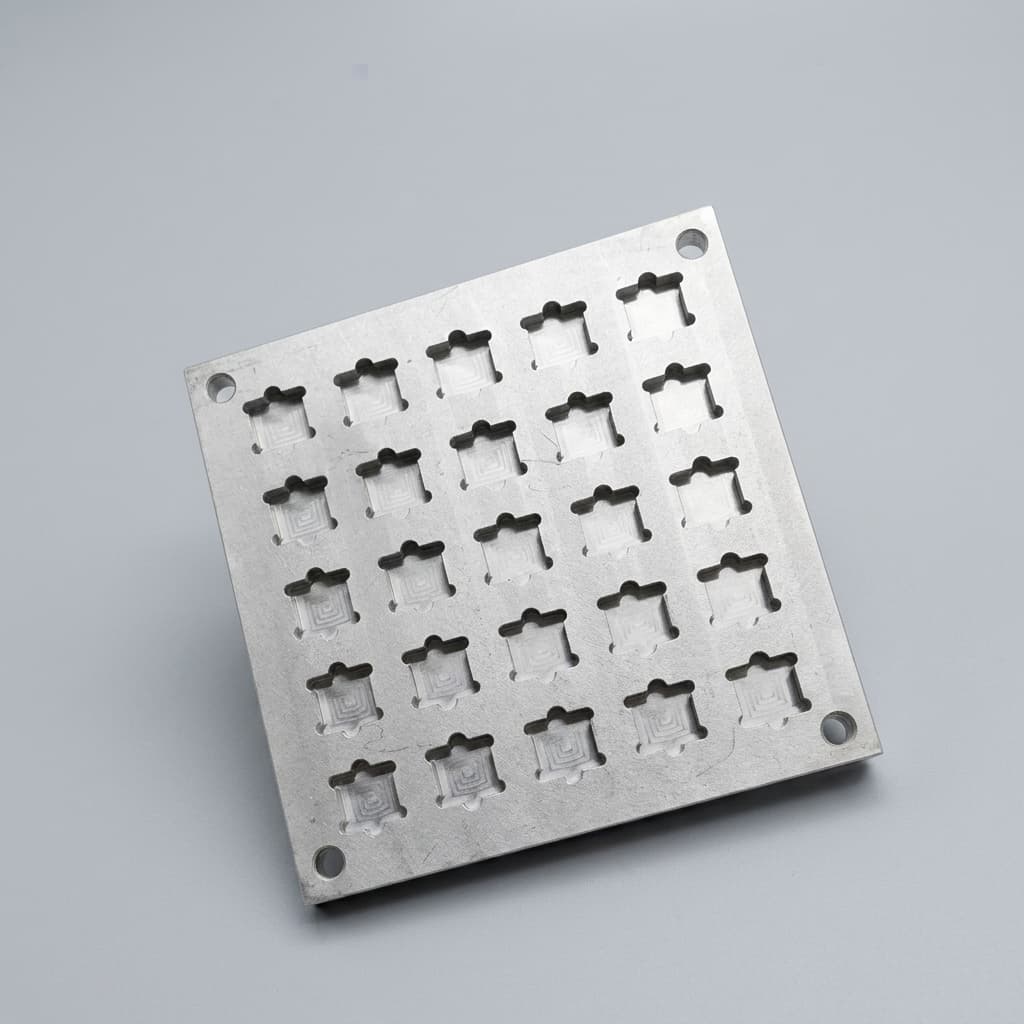
SiC-coated graphite is a composite material. It starts as a block of high-purity, ultrafine-grain isostatic graphite. This graphite core is CNC machined into the final component shape (for example, a multi-wafer planetary susceptor). Once the exact geometry is achieved, the part is placed in a high-temperature Chemical Vapor Deposition (CVD) reactor, where a dense, crystalline layer of Silicon Carbide (typically between 50 and 150 microns thick) is deposited uniformly over the entire surface.
The resulting part combines the thermal shock resistance and ease of machining of graphite with the chemical inertness and hardness of SiC. The coating acts as an impermeable seal, preventing the underlying graphite from reacting with process gases or shedding carbon dust onto wafers.
If your immediate decision is whether to use coated graphite or leave graphite bare in MOCVD, see the companion analysis on CVD SiC coating vs. bare graphite in MOCVD.
Solid (Monolithic) SiC
Solid SiC components are composed entirely of silicon carbide, with no underlying substrate. Depending on the purity requirements, solid SiC is typically manufactured using one of two methods:
- Sintered Silicon Carbide (SSiC): Silicon carbide powder is pressed and sintered at extreme temperatures. While durable, it often contains slight impurities or sintering aids, making it more suited for structural kiln furniture.
- CVD Bulk SiC: Gases containing silicon and carbon are reacted to build up a solid block of pure silicon carbide molecule by molecule. This yields an exceptionally high-purity, fully dense material ideal for semiconductor use.
Because the entire component is made of the same ultra-hard material, there is no coating to peel, scratch, or breach.
2. Machinability and Geometric Freedom
For design engineers and buyers, the most limiting factor in material selection is often the complexity of the part.
Graphite's Machining Advantage: Graphite is a relatively soft, friable material that can be aggressively machined using standard (though preferably diamond-coated) CNC tooling. Engineers can design massive wafer carriers with complex gas flow channels, undercut pockets, and tight-tolerance threaded holes. Because the machining is done before the hard SiC coating is applied, the geometric freedom is nearly limitless, and the manufacturing time is relatively short.
Solid SiC's Machining Nightmare: Silicon carbide is one of the hardest materials on earth, approaching the hardness of diamond. Once a bulk piece of solid SiC is formed, it cannot be cut with traditional metal end-mills. Machining solid SiC requires specialized, highly expensive ultrasonic grinding techniques and diamond abrasive tooling. Cutting a simple hole can take hours, and creating large, intricate 3D shapes is often economically unfeasible. Therefore, solid SiC is usually restricted to relatively simple, axisymmetric shapes—such as rings, flat plates, and cylinders.
Figure: As part complexity increases, the cost to machine Solid SiC becomes prohibitive, making SiC-coated graphite the only viable economic choice.
3. Purity, Outgassing, and Contamination Control
In advanced semiconductor nodes, a single stray metallic ion or carbon particle can destroy a microchip. The purity levels of the chamber furniture dictate the baseline yield of the process.
The Risk of the Graphite Core: While the CVD SiC coating on graphite is extremely pure, the underlying graphite is still a source of potential contamination. If the graphite was not properly halogen-purified prior to coating, trace metals (like Iron or Aluminum) can migrate at high temperatures. More importantly, if the SiC coating develops a micro-crack (pinhole) due to thermal stress or physical wear, the graphite is exposed. This exposure leads to rapid outgassing, carbon particulate shedding, and immediate wafer contamination. The end-of-life for a coated graphite part is abruptly defined by the failure of this thin protective layer.
For incoming inspection and supplier audit criteria around pinholes, CTE matching, and delamination risk, use the checklist in evaluating SiC coated graphite quality.
The Ultimate Cleanliness of Solid SiC: Solid CVD SiC offers the highest purity available. Because there is no underlying substrate, there is zero risk of a "coating breach" exposing a different material. If the surface of a solid SiC focus ring is slowly etched away by plasma, it simply reveals more ultra-pure SiC underneath. This continuous homogeneity ensures that particle generation is kept to an absolute minimum throughout the entire lifecycle of the component.
4. Durability in Aggressive Plasma Environments
Modern dry etching processes use highly reactive halogen plasmas (such as Fluorine or Chlorine) to carve nanometer-scale features into silicon wafers. The chamber hardware must survive these violent environments.
Coated Graphite Limitations in Etch: In a plasma etch chamber, the SiC coating on a graphite part is under constant bombardment. Plasma erosion will slowly thin the coating. Because the coating is only 100 microns thick on average, it does not take long for aggressive plasmas to chew through the protective layer and attack the graphite underneath. Consequently, coated graphite is rarely the optimal choice for direct plasma exposure.
Solid SiC Dominance: Solid SiC excels in these exact conditions. Because the entire mass of the part is silicon carbide, plasma erosion does not expose a graphite core as the surface wears. For components like etch focus rings and showerheads, that homogeneous wear behavior can justify longer preventative maintenance (PM) intervals, but the actual lifetime must be qualified against plasma chemistry, bias power, wafer edge conditions, and the tool owner's dimensional limits.
5. Thermal Properties and Uniformity
Both materials exhibit excellent thermal conductivity, but their behavior during rapid heating and cooling cycles differs significantly due to their structural architectures.
SiC-coated graphite relies on the precise matching of the Coefficient of Thermal Expansion (CTE) between the isostatic graphite core and the SiC coating. If the core graphite expands slightly faster than the coating, the SiC layer will crack under tension. High-quality manufacturers ensure strict CTE matching, allowing coated susceptors to handle the rapid thermal transients required in Rapid Thermal Processing (RTP) and Epitaxy without delaminating.
Solid SiC, being a single monolithic material, has no CTE mismatch issues to worry about. It will not delaminate because there are no layers. It offers incredibly stable, uniform heat distribution across its volume, which is critical for preventing thermal gradients that cause wafer warpage.
6. Comprehensive Technical Comparison
When issuing RFQs, procurement professionals should evaluate the tradeoffs using the matrix below.
| Feature / Metric | SiC-Coated Graphite | Solid (Monolithic) SiC |
|---|---|---|
| Material Structure | High-purity graphite core + thin CVD SiC skin (50-150 µm) | 100% Homogeneous Silicon Carbide (Sintered or CVD) |
| Machinability | Excellent. Easily milled into complex 3D structures with tight tolerances. | Poor. Requires expensive, slow ultrasonic diamond grinding. |
| Cost Profile | Moderate to High (Depending on graphite base purity and CNC time). | Extremely High (Especially for larger or thicker components). |
| Max Operating Temp. | (Coating dependent) | (Highly stable at extreme heat) |
| Failure Mechanism | Coating wear, pinholes, delamination exposing graphite. | Brittle fracture (cracking from physical impact), slow plasma erosion. |
| Primary Applications | Epitaxy susceptors, MOCVD carriers, RTP rings, large heating elements. | Plasma etch focus rings, showerheads, gas distribution plates. |
| Service-Life Driver | Ends when coating breach, pinhole growth, or delamination exposes graphite. | Ends when erosion, fracture, or dimensional drift exceeds the tool limit. |
| Weight | Relatively lightweight (Graphite density ). | Heavy (SiC density ). |
| RFQ Evidence to Request | Graphite grade, purification route, coating thickness map, adhesion/thermal-cycle evidence. | SiC grade, purity route, machining tolerance plan, plasma-erosion or field-use evidence. |
7. Procurement and Engineering Checklist
Before finalizing your specifications or approving a purchase order, review this checklist to ensure you are selecting the correct material for your specific semiconductor process.
- Evaluate the Geometry: Is the part larger than 400mm with multiple deep pockets and gas channels? If yes, SiC-Coated Graphite is likely your only economical option.
- Identify the Plasma Exposure: Will the component sit directly in a highly reactive fluorine or chlorine plasma path? If yes, strongly consider Solid SiC to avoid rapid coating failure.
- Assess Contamination Limits: Can your process tolerate minor carbon shedding if a part reaches the end of its life unexpectedly? If no (e.g., sub-5nm logic nodes), Solid CVD SiC offers the safest fail-state.
- Calculate the TCO (Total Cost of Ownership): Does the expected PM extension from Solid SiC justify its higher upfront price, longer machining time, and qualification cost?
- Verify Supplier Capabilities: Does your OEM have in-house ultrasonic machining for Solid SiC, or are they outsourcing it? Do they control their own CVD coating reactors for coated graphite?
- Request Evidence, Not Claims: Ask for coating thickness distribution, purity data, thermal-cycle history, and representative erosion or field-use references for the closest matching chamber environment.
- Define the Rejection Limit: Specify whether end-of-life is driven by particles, exposed graphite, wafer edge non-uniformity, mass loss, or a measured dimensional tolerance.
8. Frequently Asked Questions (FAQ)
Q: Can a scratched SiC-coated graphite part be repaired or recoated? A: In some limited cases, yes. If the scratch has not deeply compromised the underlying graphite, the part can be stripped and re-coated. However, for critical semiconductor processes, the risk of trapped impurities often makes buying a new component safer and more cost-effective.
Q: Why do Solid SiC parts take so much longer to deliver? A: Growing thick bulk CVD SiC takes weeks in a reactor. After growth, the extreme hardness of the material means that CNC grinding operations must run at very low feed rates to prevent micro-fractures, drastically increasing production lead times.
Q: Does SiC-coated graphite outgas under high vacuum? A: If the coating is perfectly intact and the base graphite was properly halogen-purified, outgassing is negligible. However, any microscopic pinhole in the coating will allow the porous graphite to trap and release process gases, ruining vacuum integrity.
Q: Can I use Solid SiC for an Epitaxy Susceptor? A: Technically yes, but practically rarely. Epi susceptors require intricate wafer pockets and gas flow designs. Machining these features into a 500mm wide solid SiC disk would be astronomical in cost. Coated graphite is the standard for this application.
9. Conclusion & Next Steps
Choosing between SiC-coated graphite and solid SiC is not a matter of finding the "best" overall material, but rather finding the right tool for the specific process environment. Coated graphite dominates applications requiring massive scale, complex gas routing, and rapid thermal cycling, such as epitaxy susceptors. Solid SiC is the undisputed champion in the harsh, highly erosive environments of plasma etch chambers, where ultimate purity and wear resistance justify the premium price tag.
By understanding the distinct advantages and failure modes of each, procurement teams can optimize their supply chain, balance upfront costs against long-term yields, and ensure maximum tool uptime for their fabrication facilities.
Optimize Your Chamber Hardware with SiC Graphite
Unsure which material will yield the best ROI for your specific reactor? At SiC Graphite, we specialize in high-purity thermal solutions for the semiconductor industry. Send us your component drawings and operating parameters, and our engineering team will provide a comprehensive material recommendation and quote. Contact our technical sales team today.
10. Sources and References
These references are used for material and application context. Cost, service-life, and PM-cycle estimates should still be validated against your chamber chemistry and supplier qualification data.
- SGL Carbon: SIGRAFINE SiC coating overview covering CVD SiC coating on graphite, semiconductor applications, and coating material data. https://www.sglcarbon.com/en/markets-solutions/material/sigrafine-sic-coating/
- CoorsTek: Silicon carbide material overview, including PureSiC CVD SiC purity, corrosion resistance, and semiconductor processing chamber use. https://www.coorstek.com/en/materials/silicon-carbide/
- CoorsTek: Plasma etch equipment components page covering focus rings, nozzles, windows, high-purity ceramics, and CVD SiC in dry etch environments. https://www.coorstek.com/en/industries/semiconductor/etch/
- Mersen: Purified graphite and silicon carbide graphite brochure for semiconductor and high-temperature component sourcing context. https://us.mersen.com/sites/default/files/files_imported/2-gs-purified-graphite-silicon-carbide-graphite-mersen.pdf
Author

More Posts
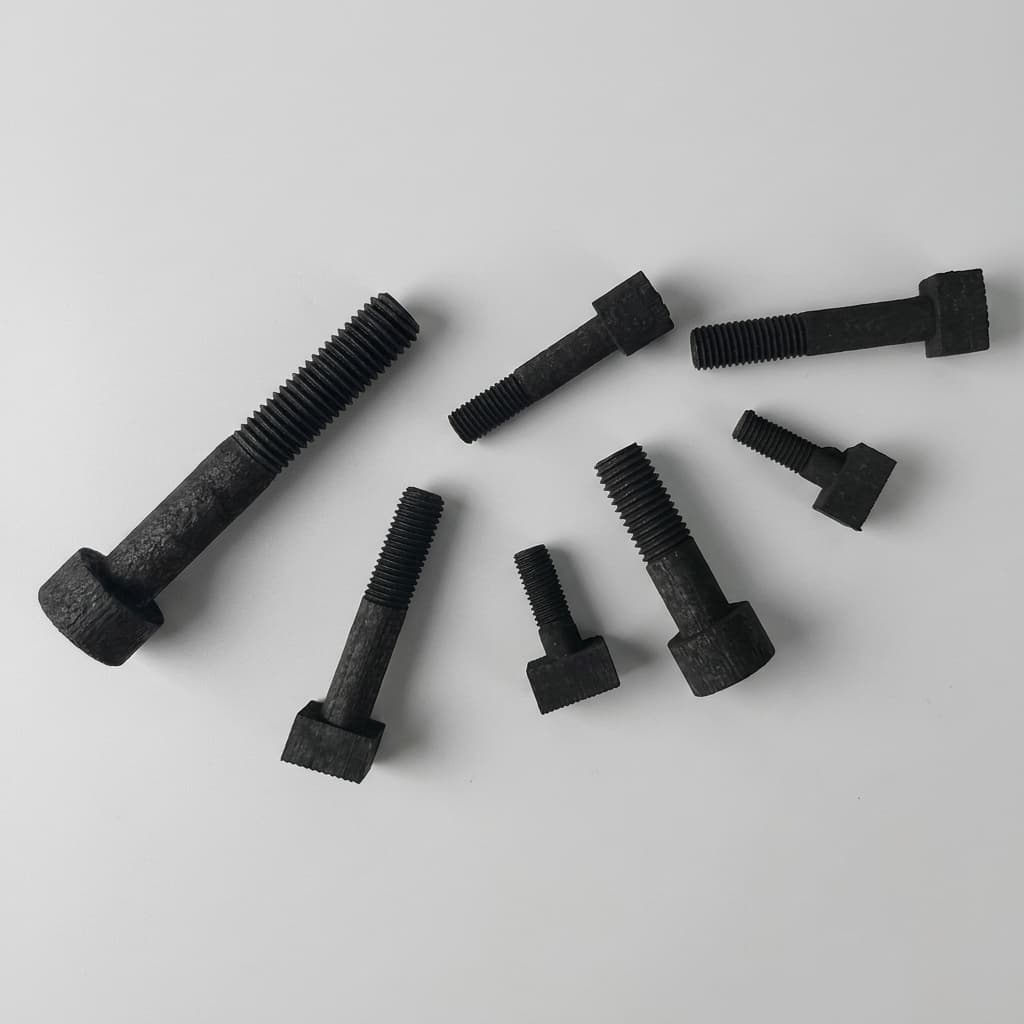
C/C Composite Fasteners vs. Molybdenum in Vacuum High-Temperature Furnaces
A technical comparison of Carbon/Carbon composites and Molybdenum hardware in vacuum furnaces. Discover why C/C composites are replacing refractory metals.
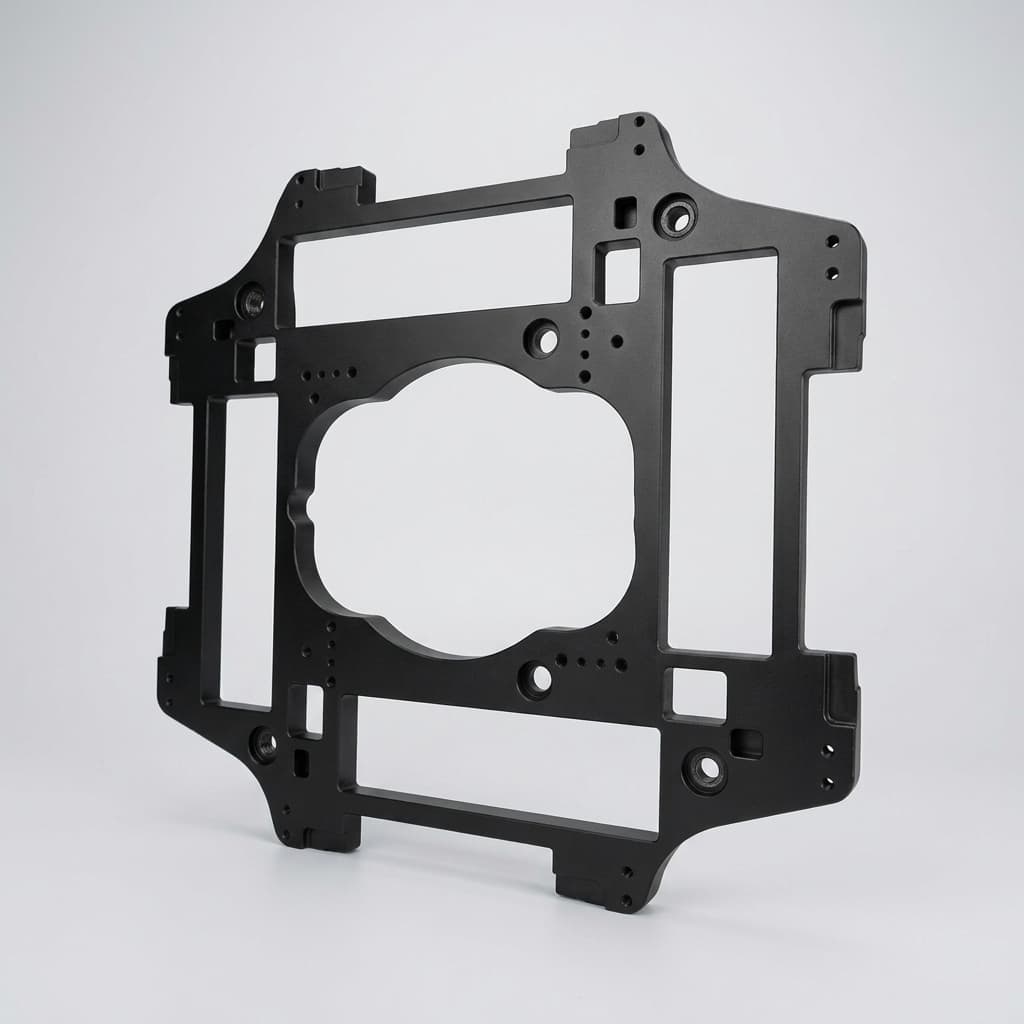
CVD SiC Coating vs. Bare Graphite in MOCVD: A Cost & Contamination Analysis
Why bare graphite fails in modern MOCVD. Analyze trace metal contamination, wafer slip, and the lifetime ROI of CVD SiC coated susceptors.
Evaluating SiC Coated Graphite Quality: How to Prevent Coating Delamination
A comprehensive engineering and procurement guide to identifying, preventing, and sourcing CVD SiC-coated graphite susceptors immune to delamination and pinholes.