RFQ Checklist
- Furnace chamber dimensions
- Target hot zone size
- Maximum temperature and ramp rate
- Insulation thickness requirements
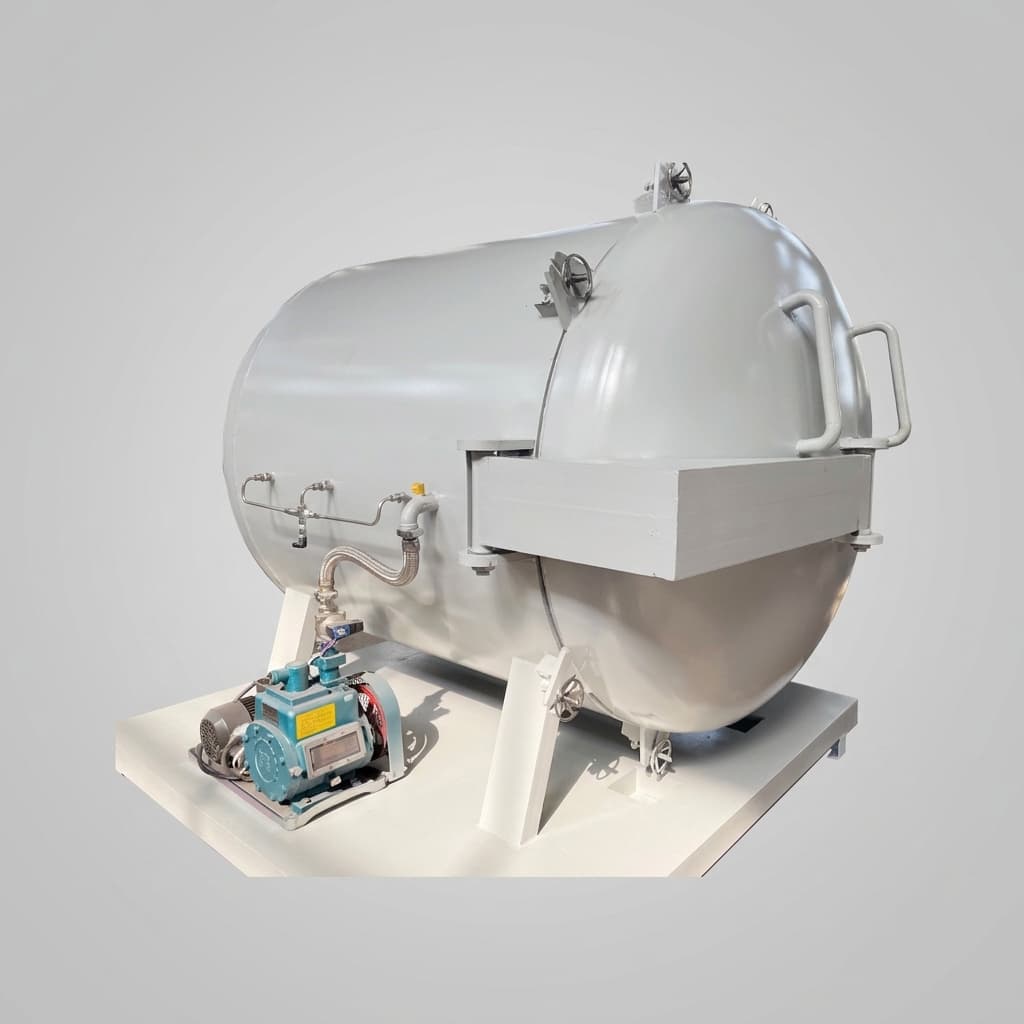
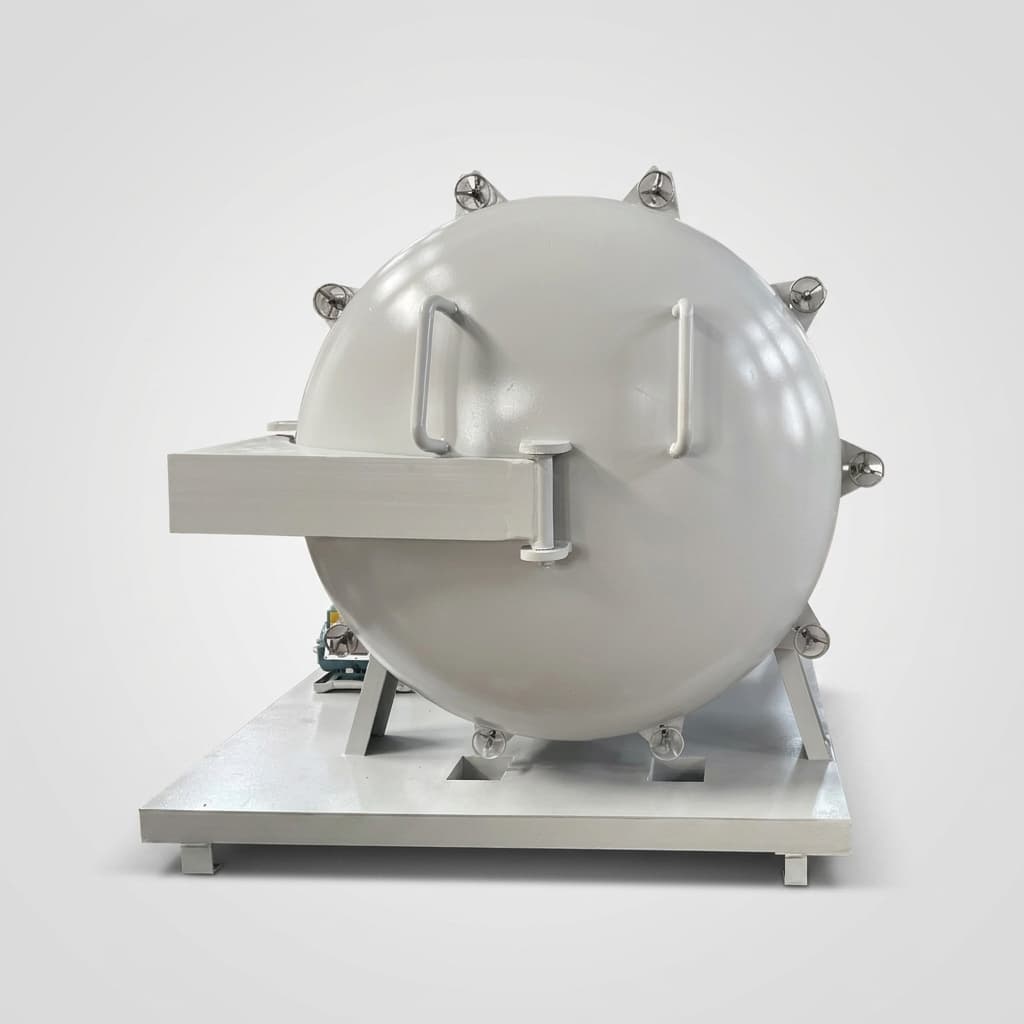
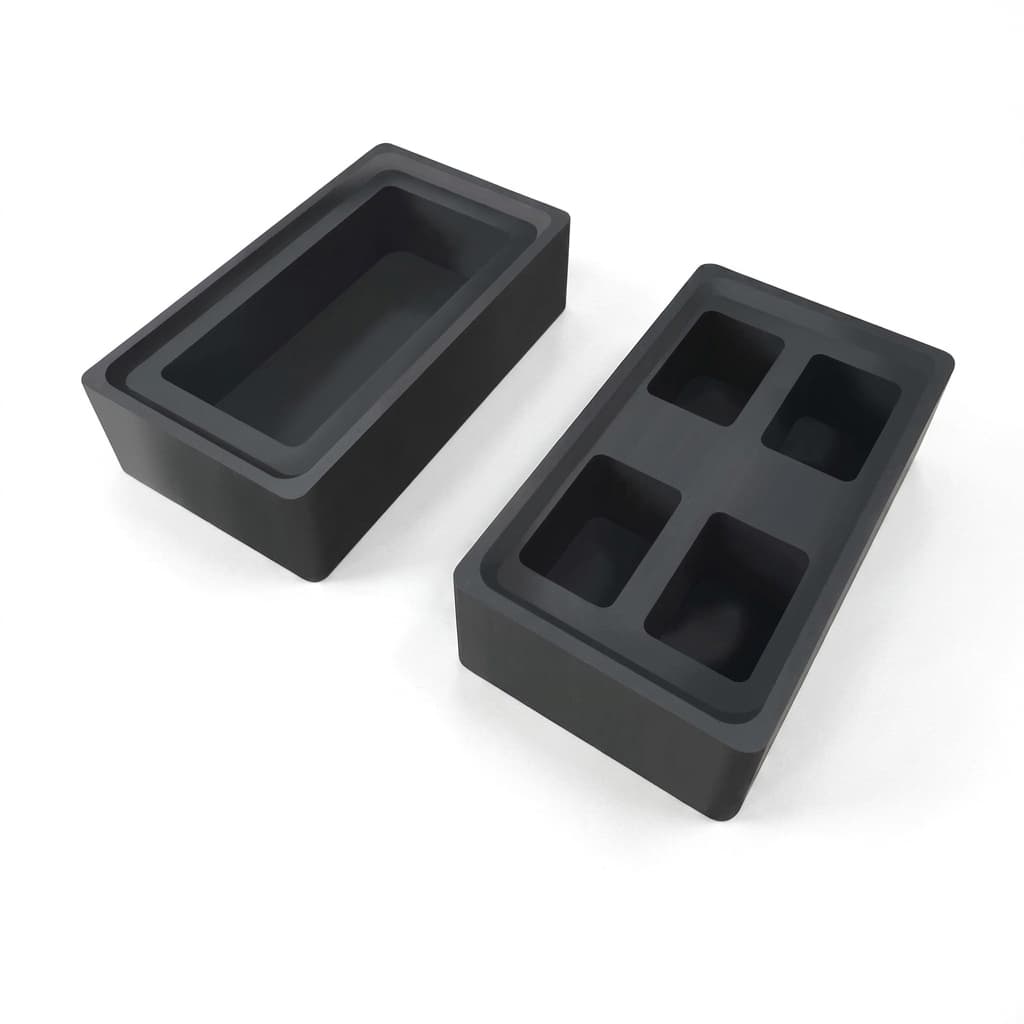
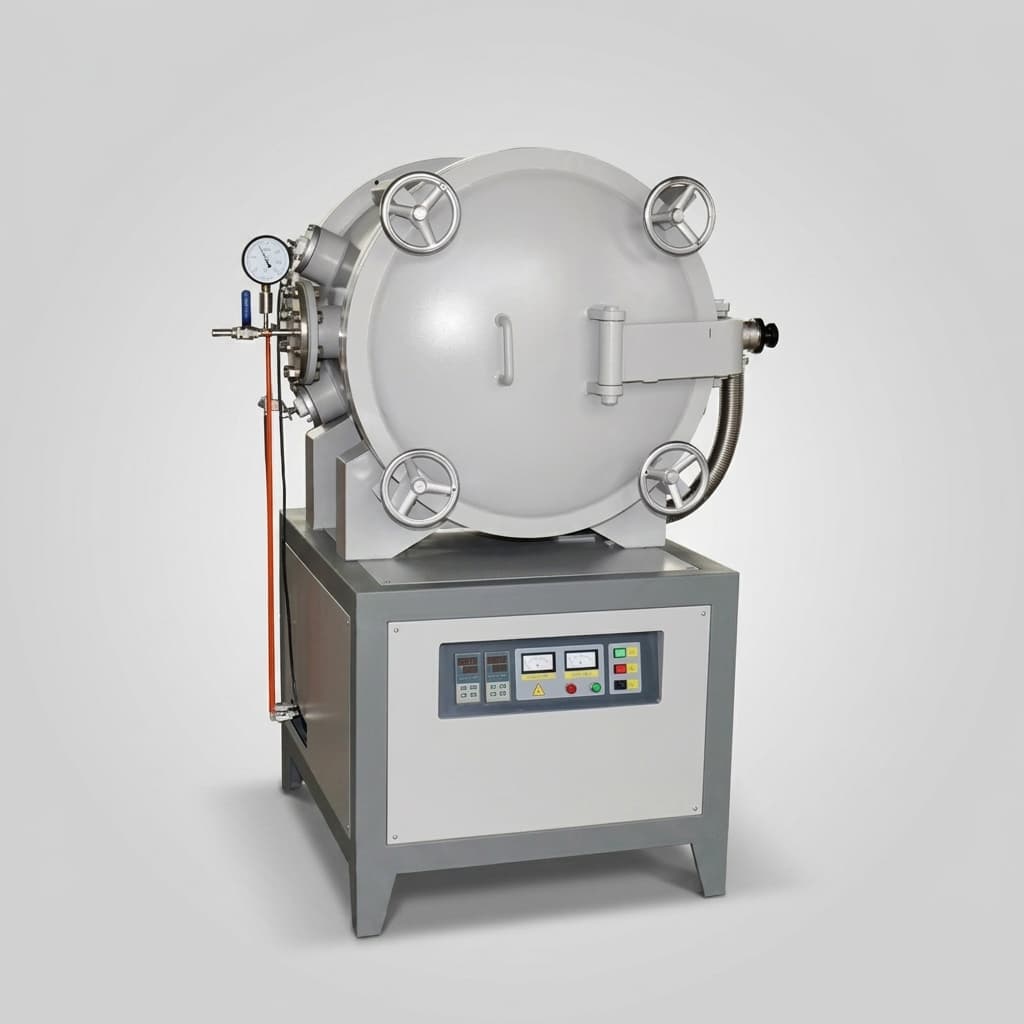
Complete graphite hot zone assemblies, including insulation, heaters, and shields. Designed for rapid integration into vacuum furnaces with strict thermal uniformity requirements.

| Metric | Typical Range | Why It Matters |
|---|---|---|
| Temperature Uniformity | +/- 5°C | Critical for process repeatability. |
| Graphite Grade | Isostatic or fine-grain graphite by load and geometry | Grade selection controls strength, machinability, resistivity, and hot-zone life. |
| Machining Tolerance | +/-0.01 mm to +/-0.10 mm by feature | Assembly interfaces, heater slots, and shield gaps need different inspection levels. |
| Atmosphere Fit | Vacuum or inert gas, oxidation risk reviewed separately | Graphite performs best when oxygen exposure and cleaning chemistry are controlled. |
| Decision Factor | Selection Logic | Buyer Check |
|---|---|---|
| Heat generation or shielding role | Heaters need resistivity and wall-section control; shields and supports need stability and fit. | Separate electrical, thermal, and mechanical CTQ features on the drawing. |
| Assembly interface | Graphite hot-zone parts should be selected as a matched assembly when gaps affect heat loss or arcing risk. | Provide chamber size, mating parts, power supply, and installation clearances. |
| Atmosphere exposure | Vacuum and inert gas are baseline; oxygen, water vapor, or aggressive cleaning steps require extra review. | Define atmosphere, ramp rate, cleaning method, and maximum temperature. |
| Stage | Production / QC Checkpoint | Buyer Evidence |
|---|---|---|
| 1. Assembly review | Map heater, shield, insulation, support, and chamber interfaces before quoting. | Hot-zone layout, mating-part drawings, power data, and atmosphere notes. |
| 2. Material routing | Select graphite grade by resistivity, strength, machinability, and cost target. | Grade recommendation and risk notes for high-stress or high-current features. |
| 3. Machining control | Control wall thickness, slots, bolt holes, shield gaps, and fragile edges. | Dimensional report for assembly and electrical CTQ features. |
| 4. Fit and surface check | Inspect cracks, chips, surface finish, and installation-critical dimensions. | Visual and dimensional acceptance record. |
| 5. Export protection | Pack heaters, shields, rings, and hot-zone parts against vibration and edge damage. | Foam-nest or crate plan for fragile assemblies. |


Yes, we can reverse-engineer or work from your drawings to supply replacement parts matched to the agreed interfaces.
Share the process role of the part, not only the drawing. Heating, shielding, support, and insulation interfaces require different graphite properties and inspection focus.
Yes, but a worn sample should be paired with chamber dimensions, mating-part photos, and operating conditions so reverse engineering does not copy wear damage.
Most programs use dimensional reports for CTQ features, visual inspection for chips or cracks, and packing photos for fragile export shipments.
Inquiry Email
Include process, product type, drawing status, purity/coating target, dimensions, quantity forecast, operating conditions, and delivery date.
Instant Chat
+8618857971991
Best for quick drawing checks, process fit questions, and RFQ clarification.