
RFQ Preparation Checklist
- Crucible design
- TaC coating scope for vapor-facing parts
- Insulation thickness
- Furnace power specifications
Comprehensive graphite and TaC coated thermal-field solutions for 6-inch and 8-inch Silicon Carbide PVT crystal growth. Achieving ultra-low impurities and stable thermal gradients at >2000°C.
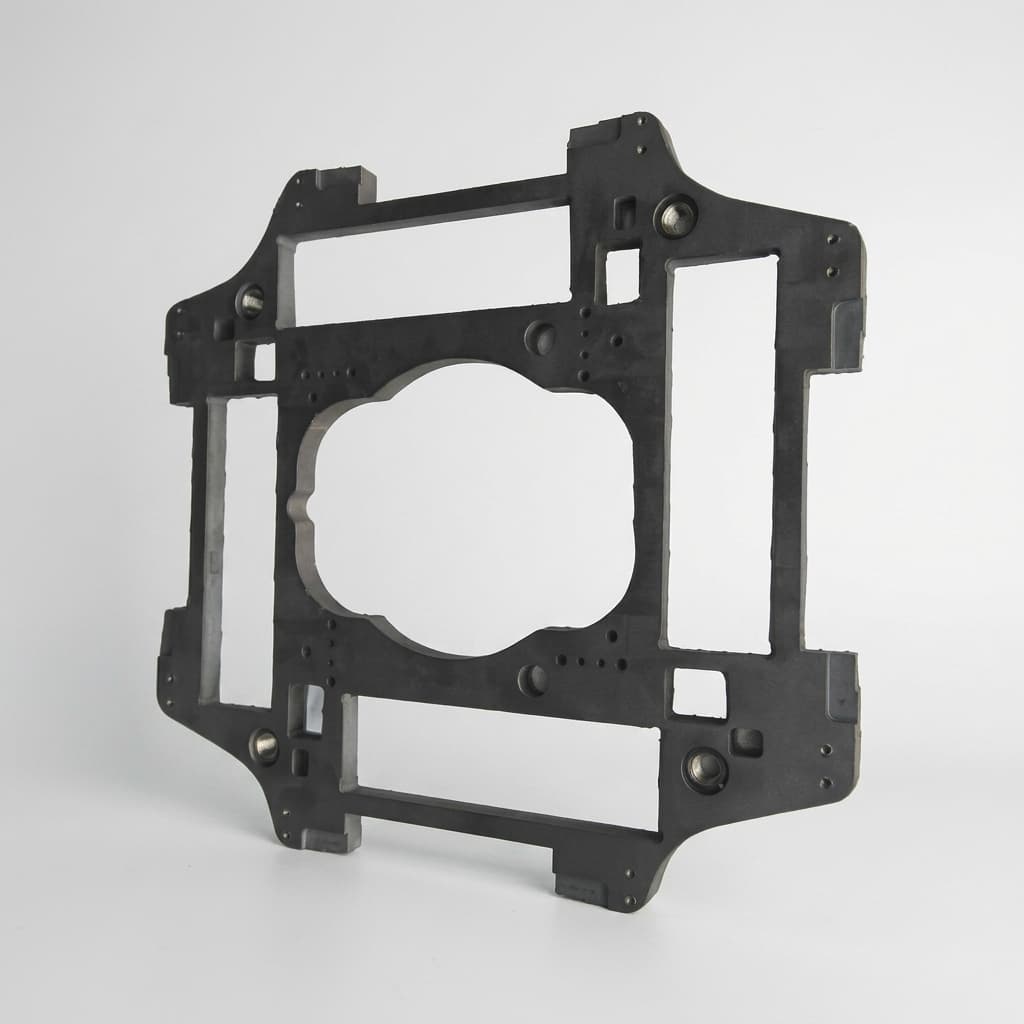
| Evaluation Metric | Typical Range | Buyer Relevance |
|---|---|---|
| Impurity Level | < 5ppm achievable | Directly impacts crystal quality. |
| Bulk Density | 1.80 - 1.92 g/cm3 by grade | Higher density reduces open porosity and vapor penetration during SiC PVT growth. |
| Trace Metal Controls | Buyer-defined Fe, V, Ti, Al limits | Trace metals can enter the boule or wafer process if purification limits are vague. |
| Critical Interfaces | Drawing-defined OD, ID, thread, lid, and seal tolerances | Fit errors change thermal gradients and can shorten the replacement cycle. |
| Decision Factor | Selection Logic | Buyer Check |
|---|---|---|
| Purity boundary | Use purified graphite when the part is exposed to SiC source vapor, seed-zone gradients, or high-temperature sublimation. | Request ash and trace-metal limits, especially Fe, V, Ti, Al, and Ca. |
| Thermal geometry | Prioritize drawing fit, lid interfaces, ring gaps, and wall thickness over generic crucible dimensions. | Send OD, ID, height, thread, groove, and mating-part drawings together. |
| Replacement cycle | Choose grade and purification route around the real number of growth runs expected per part. | Share current cracking, erosion, or contamination failure photos if available. |
| Stage | Delivery / QC Checkpoint | Buyer Evidence |
|---|---|---|
| 1. Requirement freeze | Confirm furnace type, growth temperature, crucible interfaces, and purity target. | RFQ sheet with CAD, material grade, ash limit, and replacement-cycle goal. |
| 2. Graphite selection | Match isostatic graphite density, grain size, and purification route to PVT risk. | Grade proposal with density, grain-size class, and ash-control plan. |
| 3. CNC machining | Machine sealing faces, grooves, threads, and assembly features from approved drawings. | First-article dimensional report for CTQ features. |
| 4. Purification and QA | Apply purification and verify trace-metal or ash acceptance criteria. | COA or agreed trace-element report by lot. |
| 5. Clean packing | Protect machined graphite surfaces from dust, edge impact, and moisture. | Packing photos, labels, and export documents before shipment. |
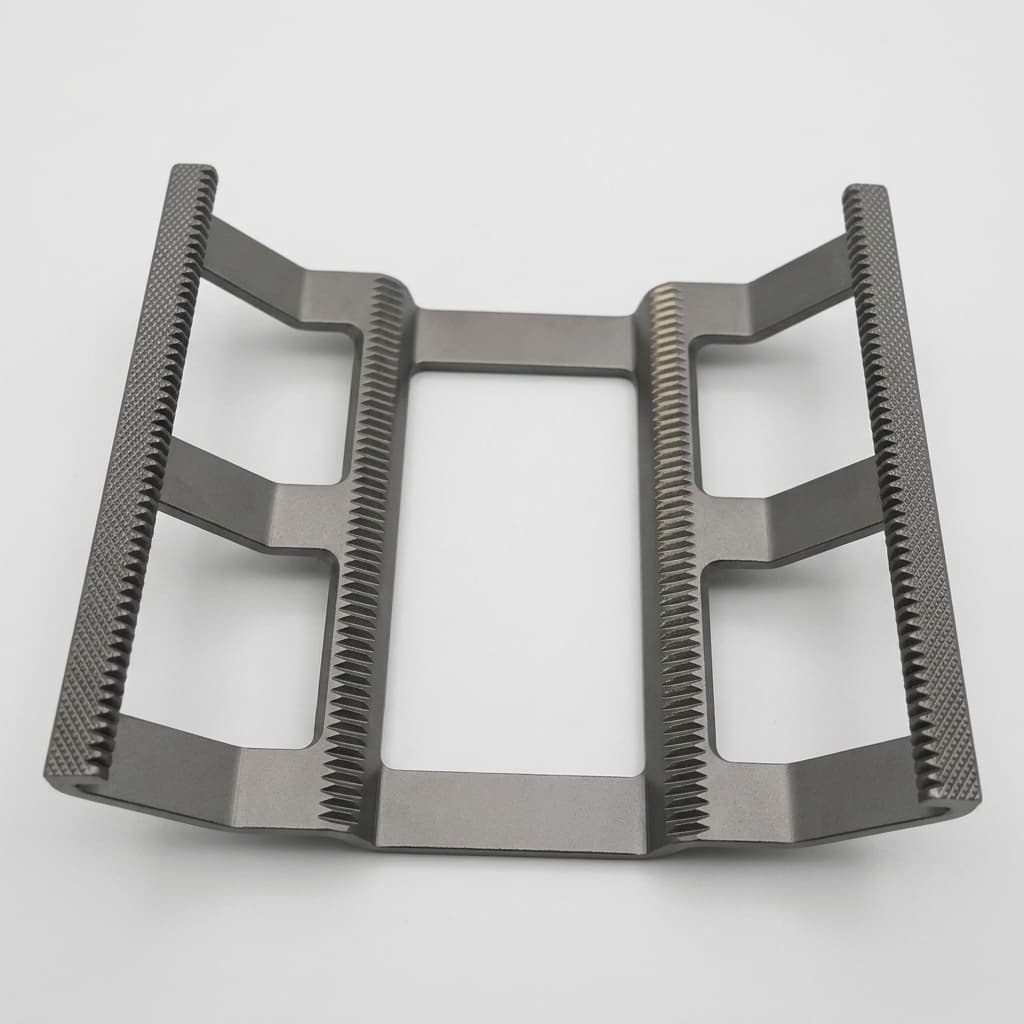
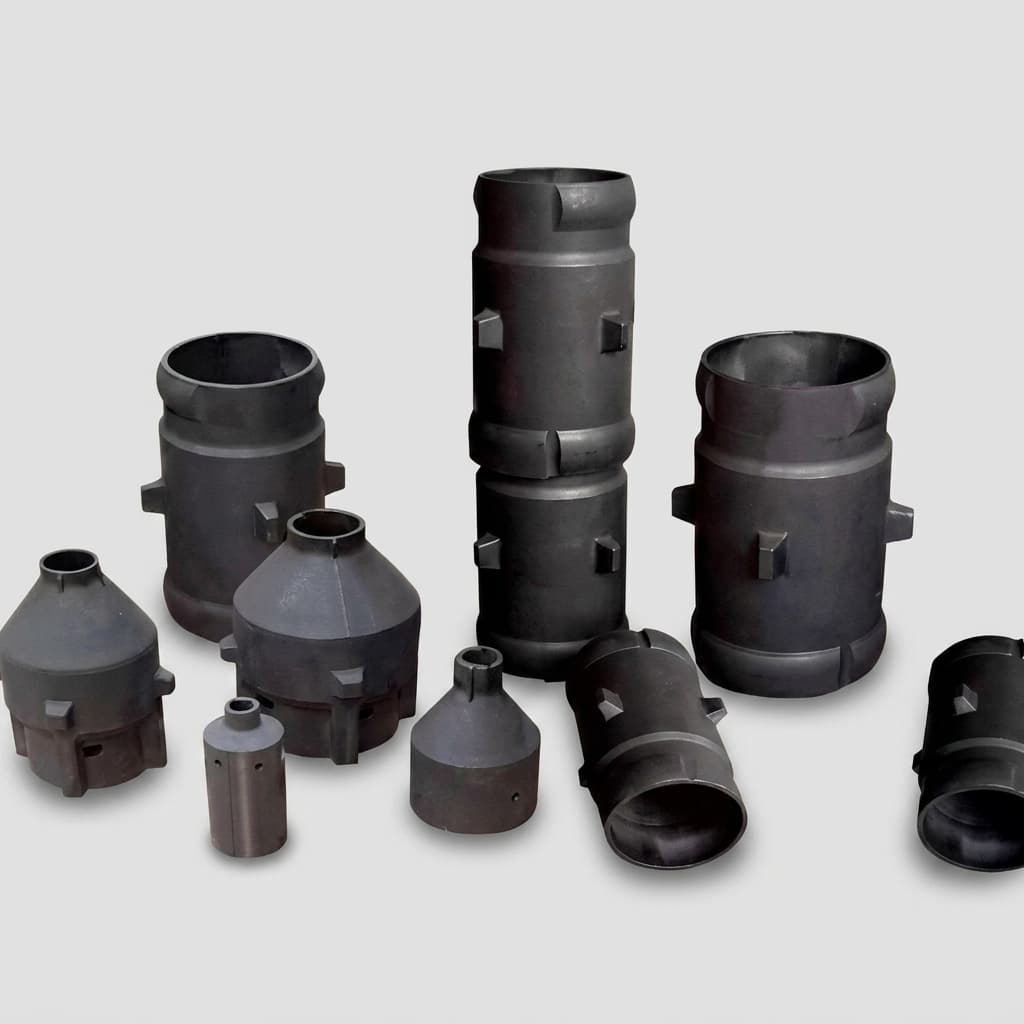
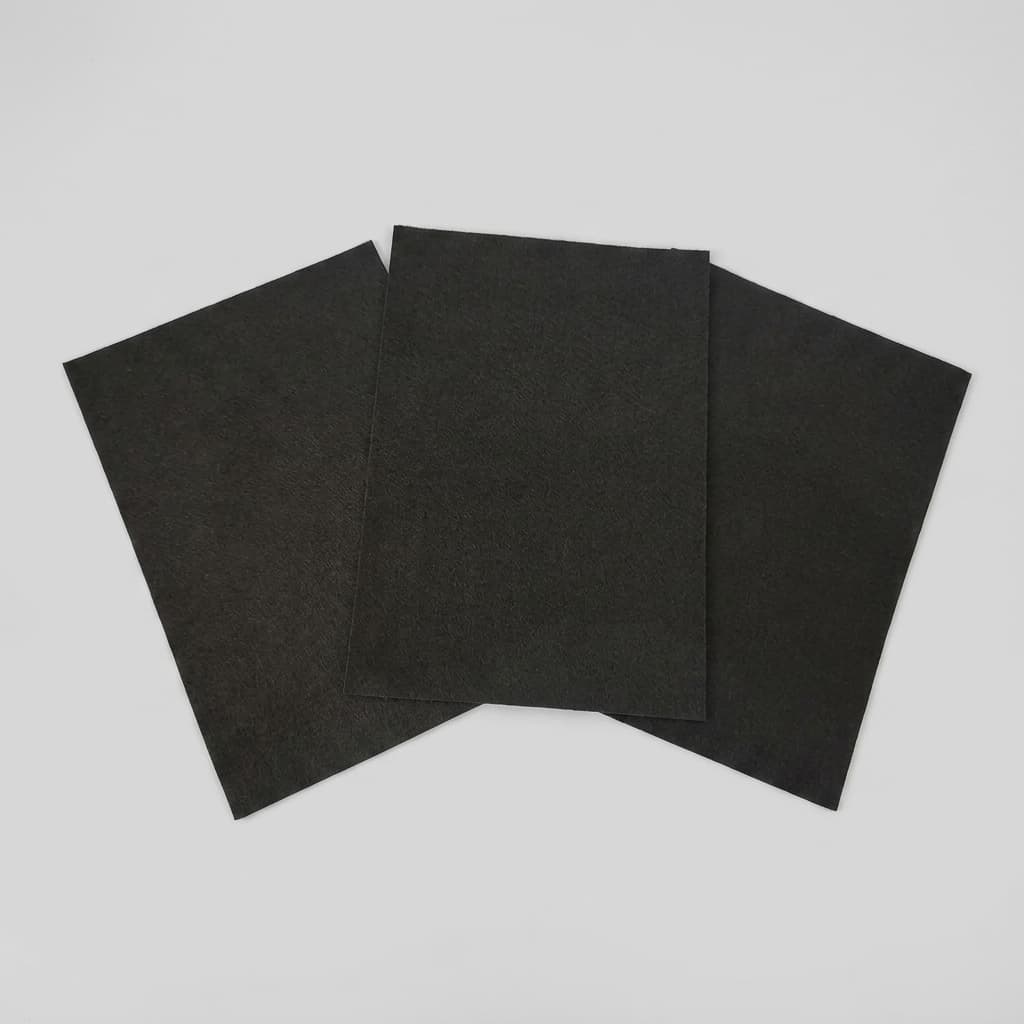
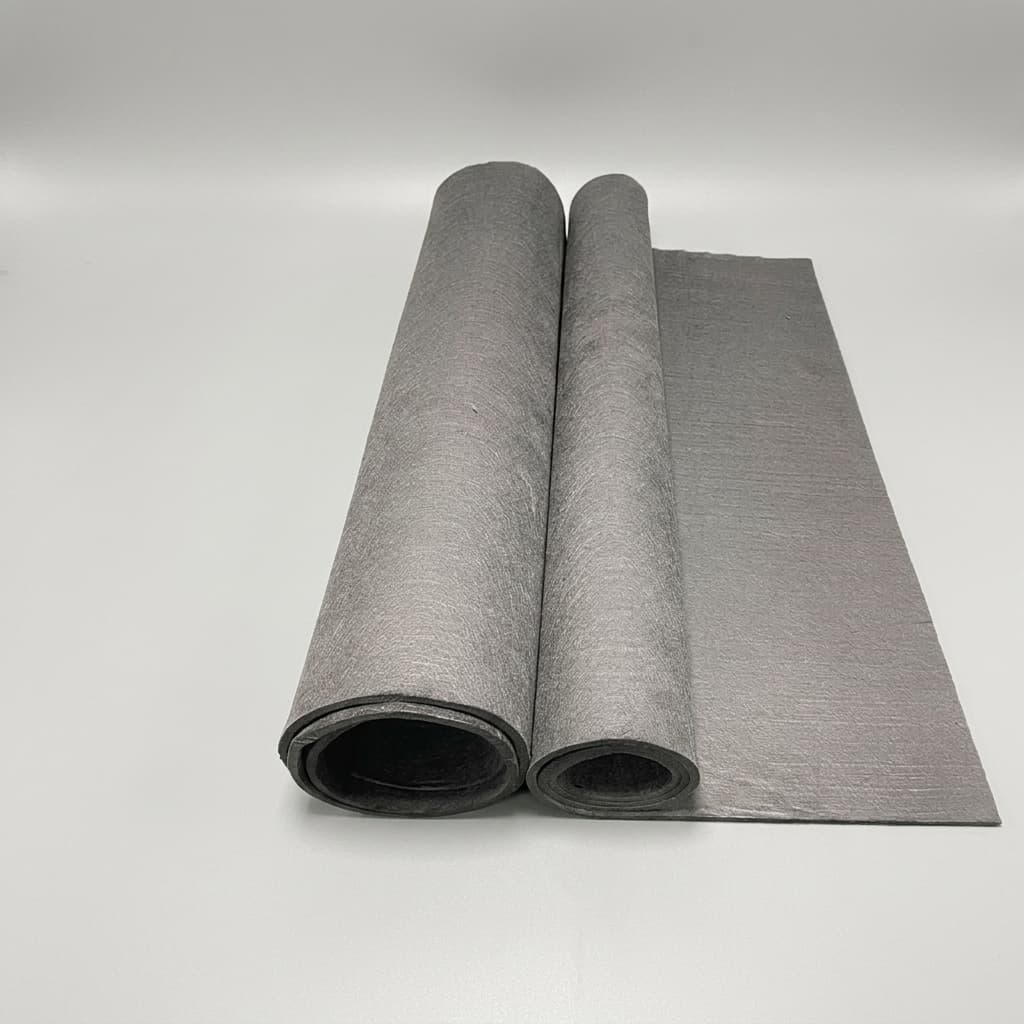
Yes, parts undergo high-temperature halogen purification post-machining.
Start with ash and trace-metal limits, graphite density, grain-size class, CTQ dimensions, and the expected replacement cycle inside the PVT hot zone.
For semiconductor hot-zone parts, purification is usually planned after machining so finished surfaces and complex features are included in the cleanliness route.
Send drawings, operating temperature, atmosphere, run count, failure photos, and any contamination data so the grade and purification route can be adjusted.
Inquiry Email
Include process, product type, drawing status, purity/coating target, dimensions, quantity forecast, operating conditions, and delivery date.
Instant Chat
+8618857971991
Best for quick drawing checks, process fit questions, and RFQ clarification.