SiC GraphiteSiC Graphite
Start inquiry
SiC GraphiteSiC Graphite
WhatsApp
SiC GraphiteSiC Graphite

China-based industrial OEM supplier supporting customization, quality control, and global delivery.

Inquiry Email

[email protected]

Email app

Include process, product type, drawing status, purity/coating target, dimensions, quantity forecast, operating conditions, and delivery date.

Instant Chat

+8618857971991

Chat on WhatsApp

Best for quick drawing checks, process fit questions, and RFQ clarification.

Products
  • SiC Crystal Growth Crucible
  • High-Purity Graphite Heater
  • Graphite Hot Zone
  • Rigid Carbon Felt Insulation
  • CVD SiC Coated Susceptor
  • SiC Coated Wafer Carrier
  • SiC Coated Dummy Wafer
  • C/C Composite Fasteners
  • C/C Composite Trays
  • Vacuum Pump Graphite Vanes
  • Aluminum Degassing Graphite Rotor
  • TaC Coated Graphite Crucible
  • Tantalum Carbide Guide Ring
  • TaC Coated Susceptor
Solutions
  • SiC PVT Crystal Growth
  • MOCVD & Epitaxy
  • Semiconductor Thermal Field
  • Vacuum Furnace Hot Zone
  • High-Temperature Carbon Composites
  • Industrial Graphite Replacement
OEM Capabilities
  • High-Purity Graphite Machining
  • CVD SiC Coating
  • C/C Composite Fabrication
  • Purity and Ash Control
  • Drawing-Based Custom Parts
  • Inspection and Export Packaging
Resources
  • Blog
  • About
  • Contact / RFQ
  • Quality & Metrology
  • OEM Compatibility Matrix
  • Privacy Policy
  • Terms of Service
  • Cookie Policy
© 2026 SiC Graphite. All Rights Reserved.|Supply chain combines Liaoyang Xingde graphite thermal-field manufacturing with Qingdao Chijiu CVD SiC coating and C/C composite capabilities.
← Back to Products

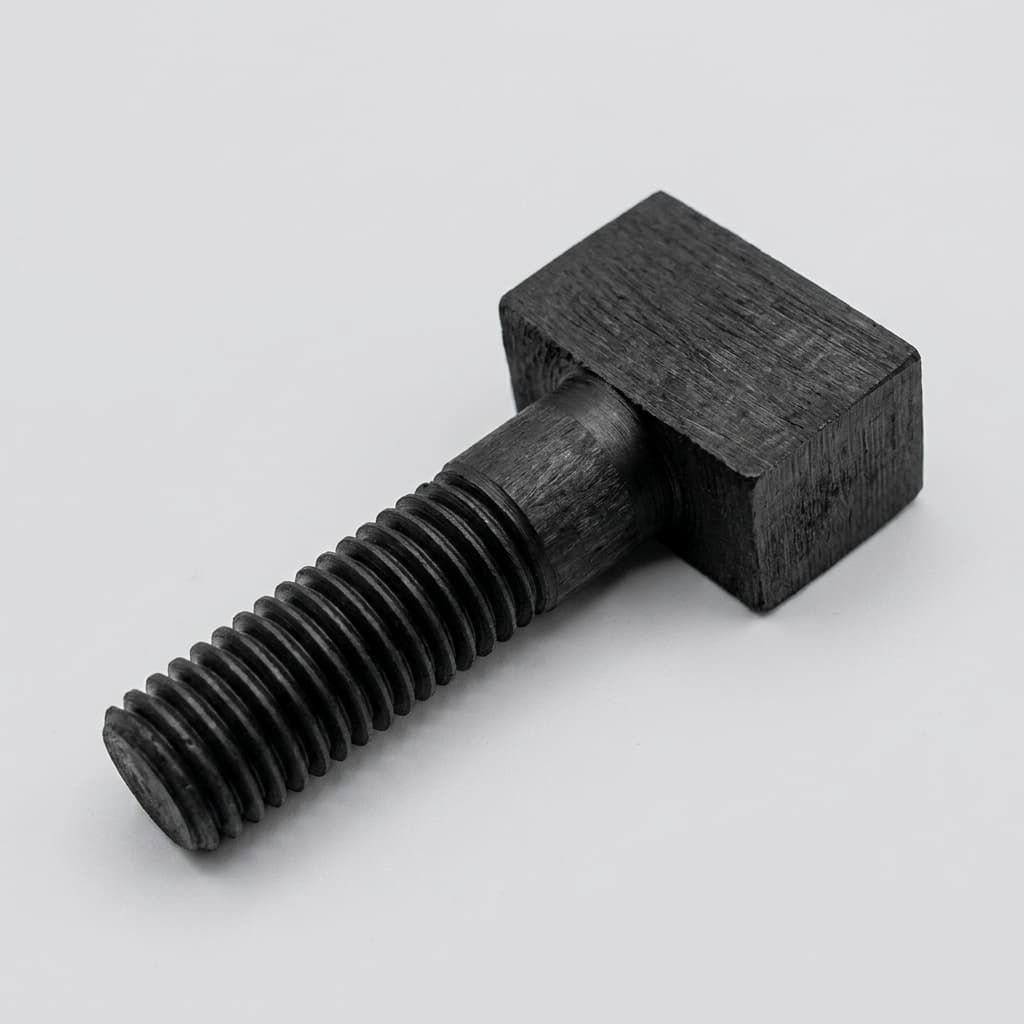
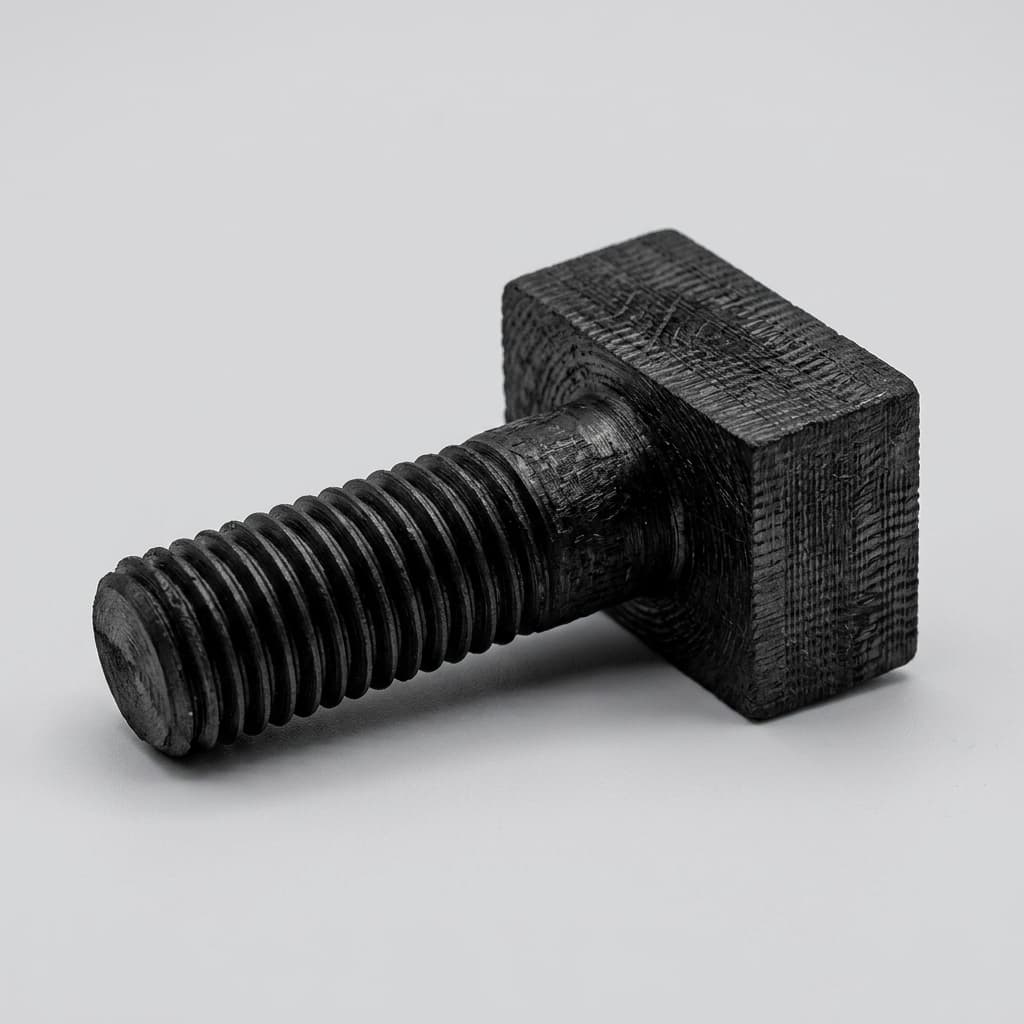
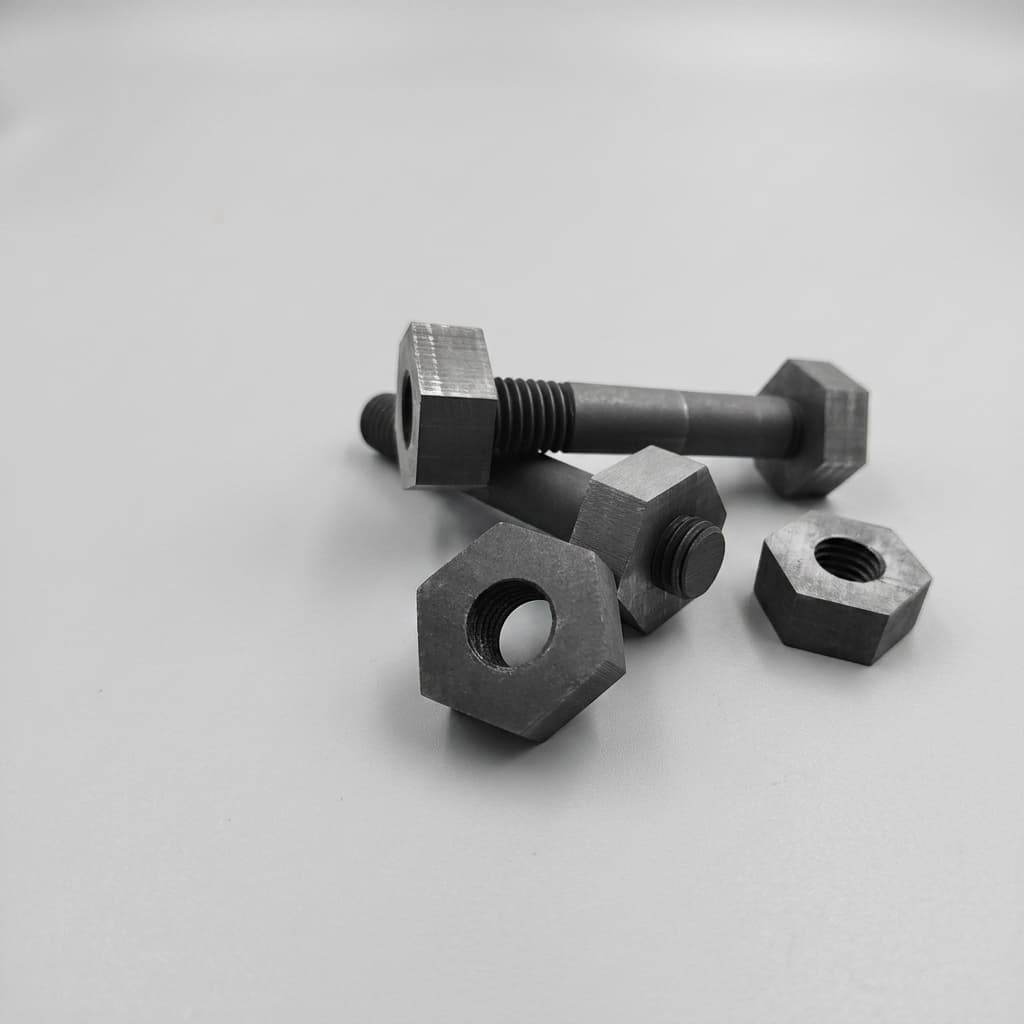
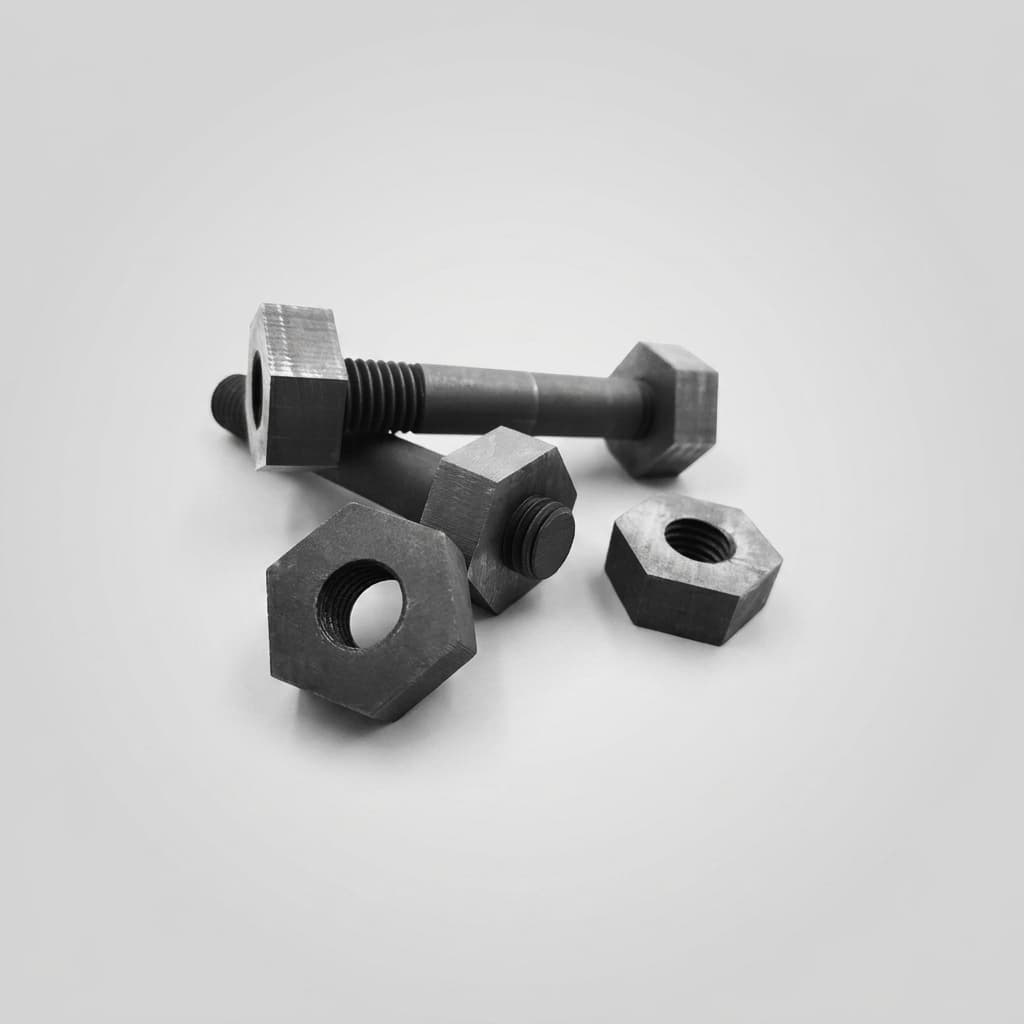
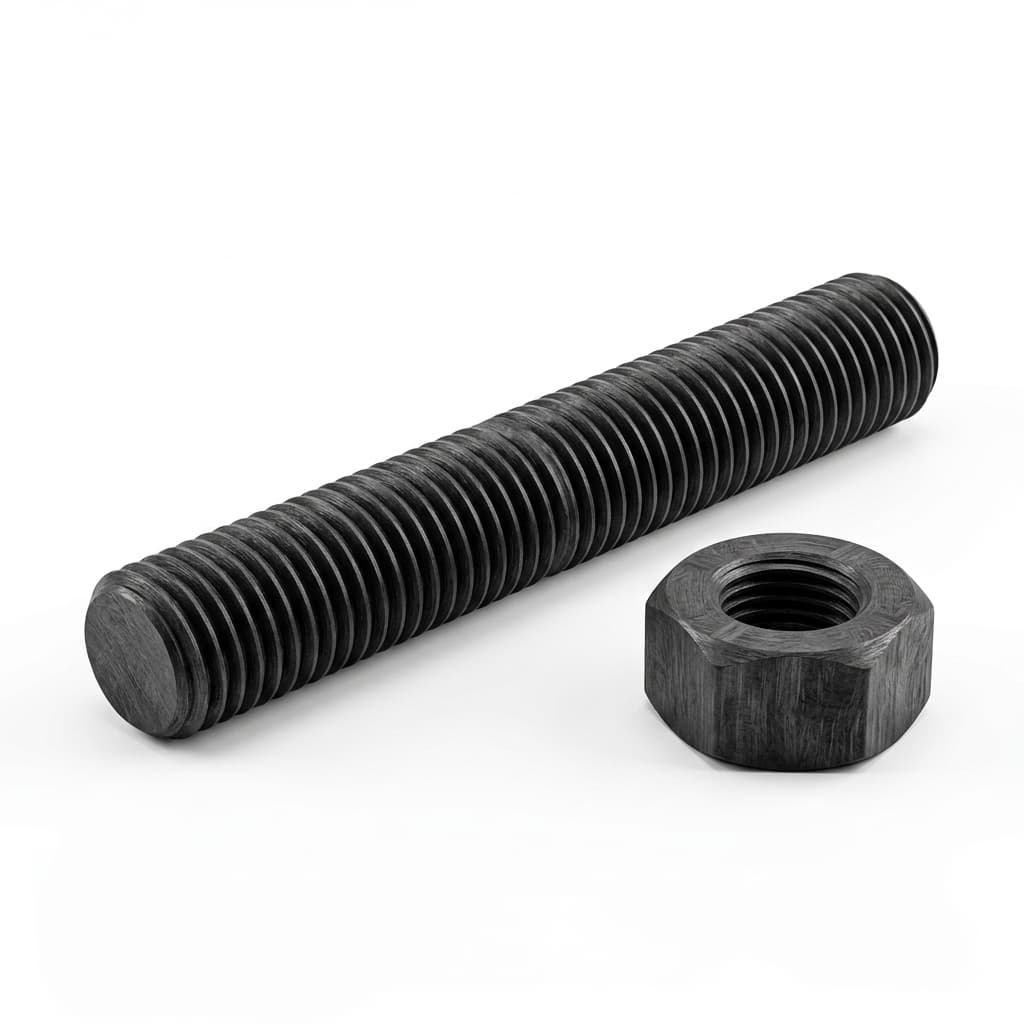
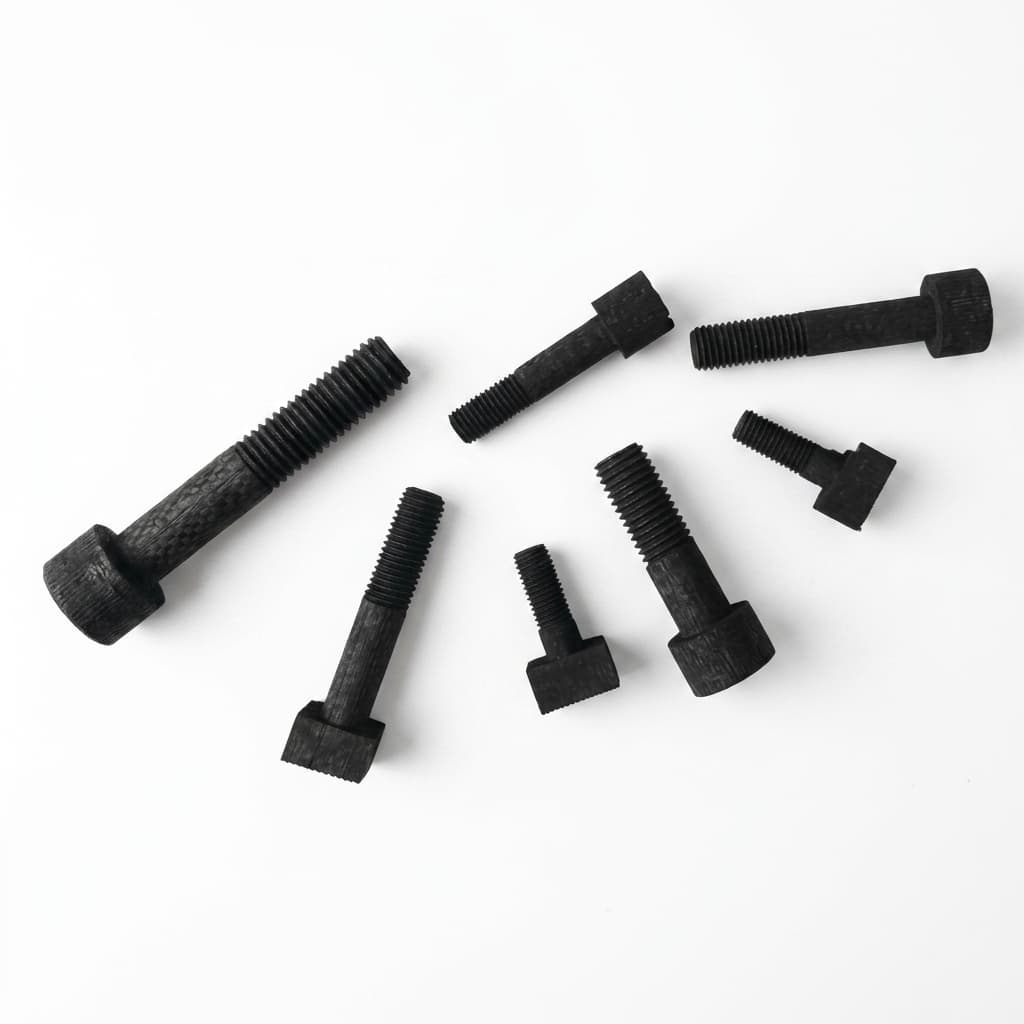
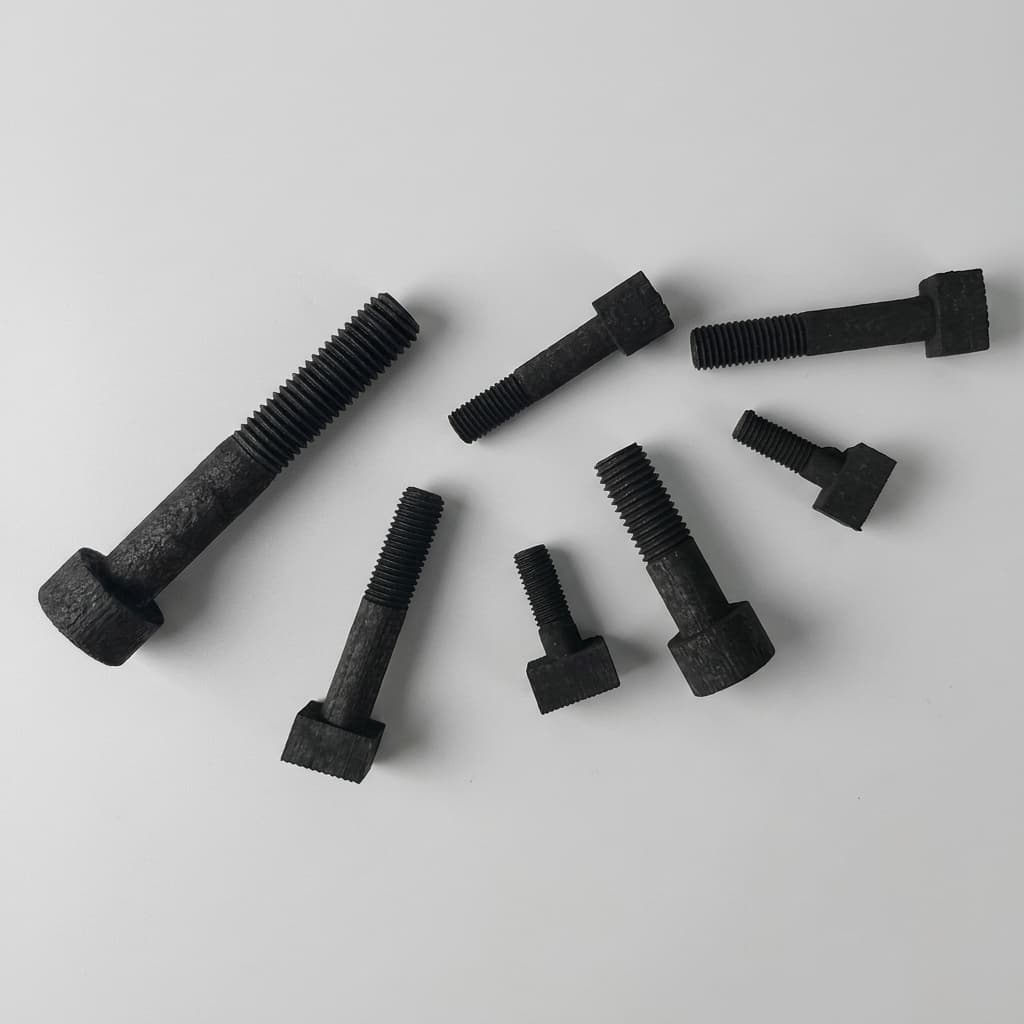
C/C Composite Fasteners

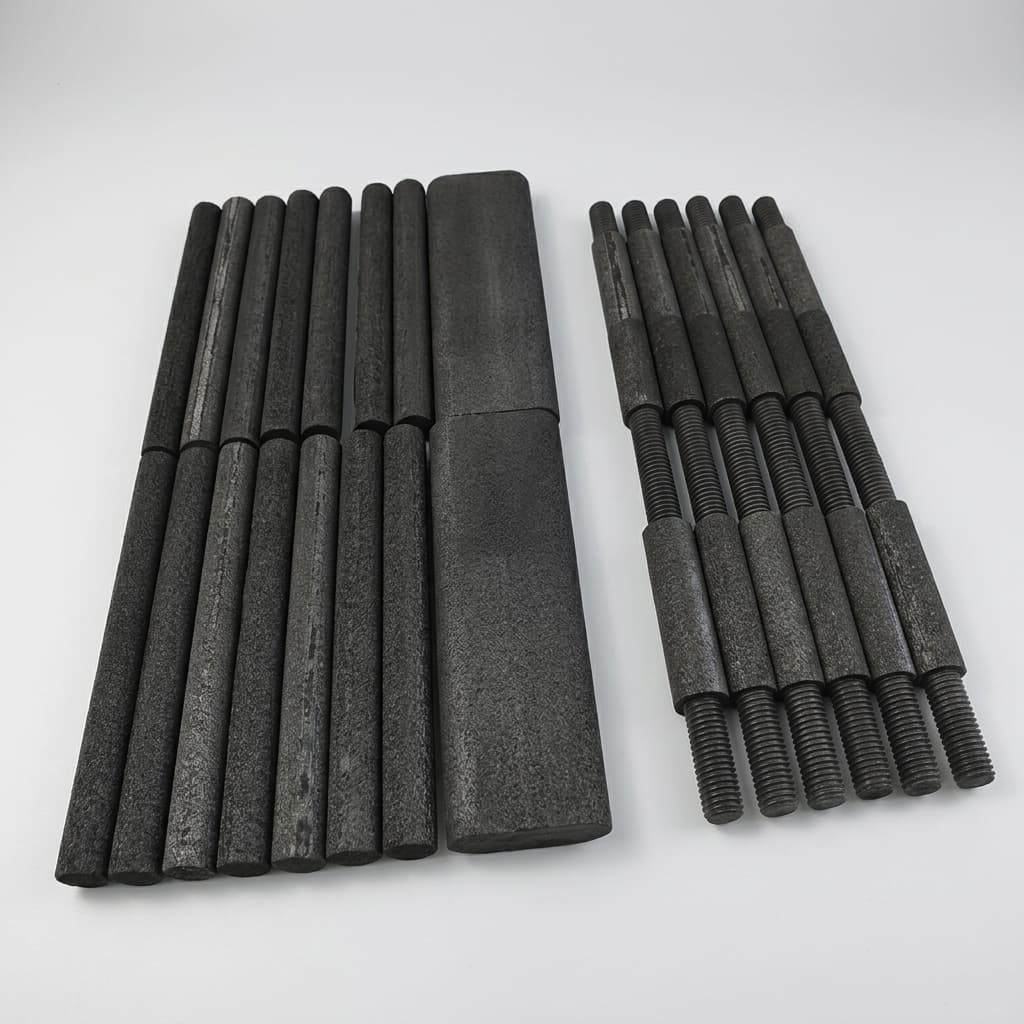
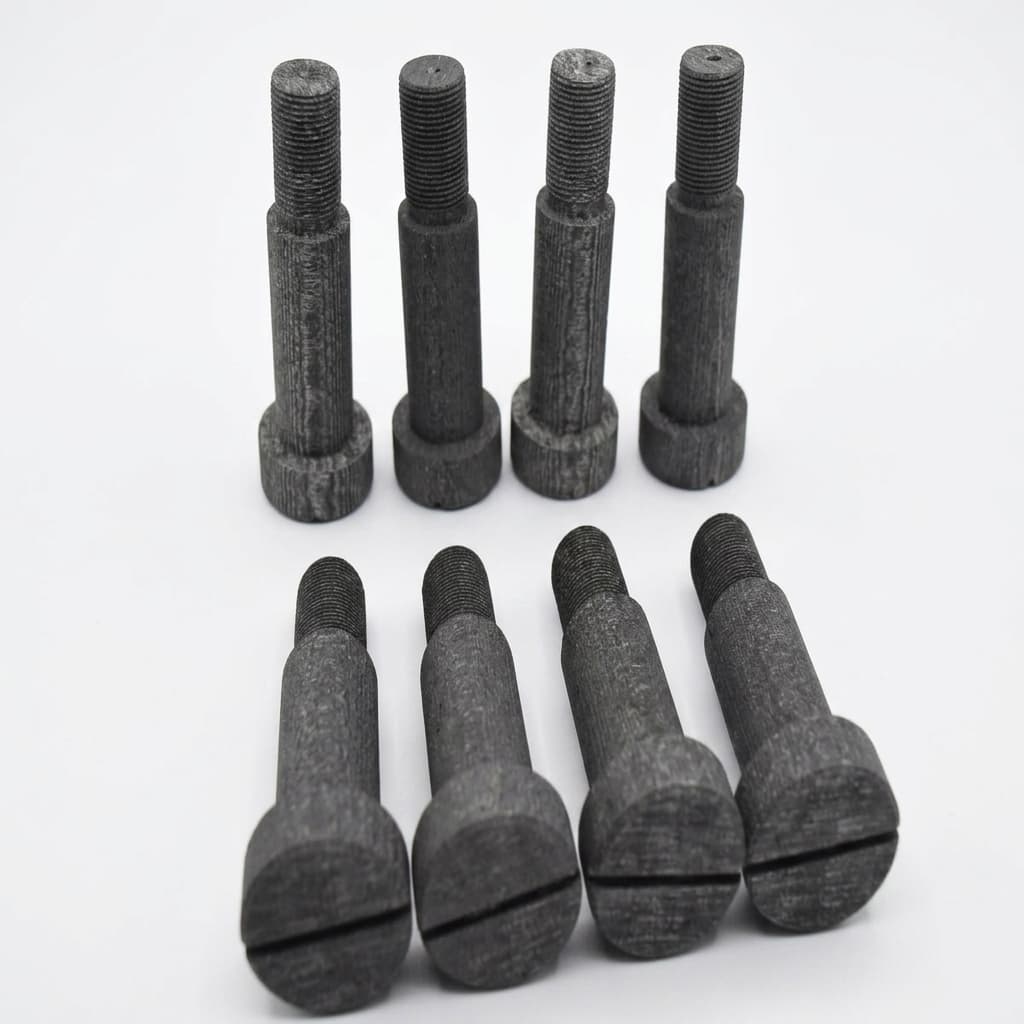
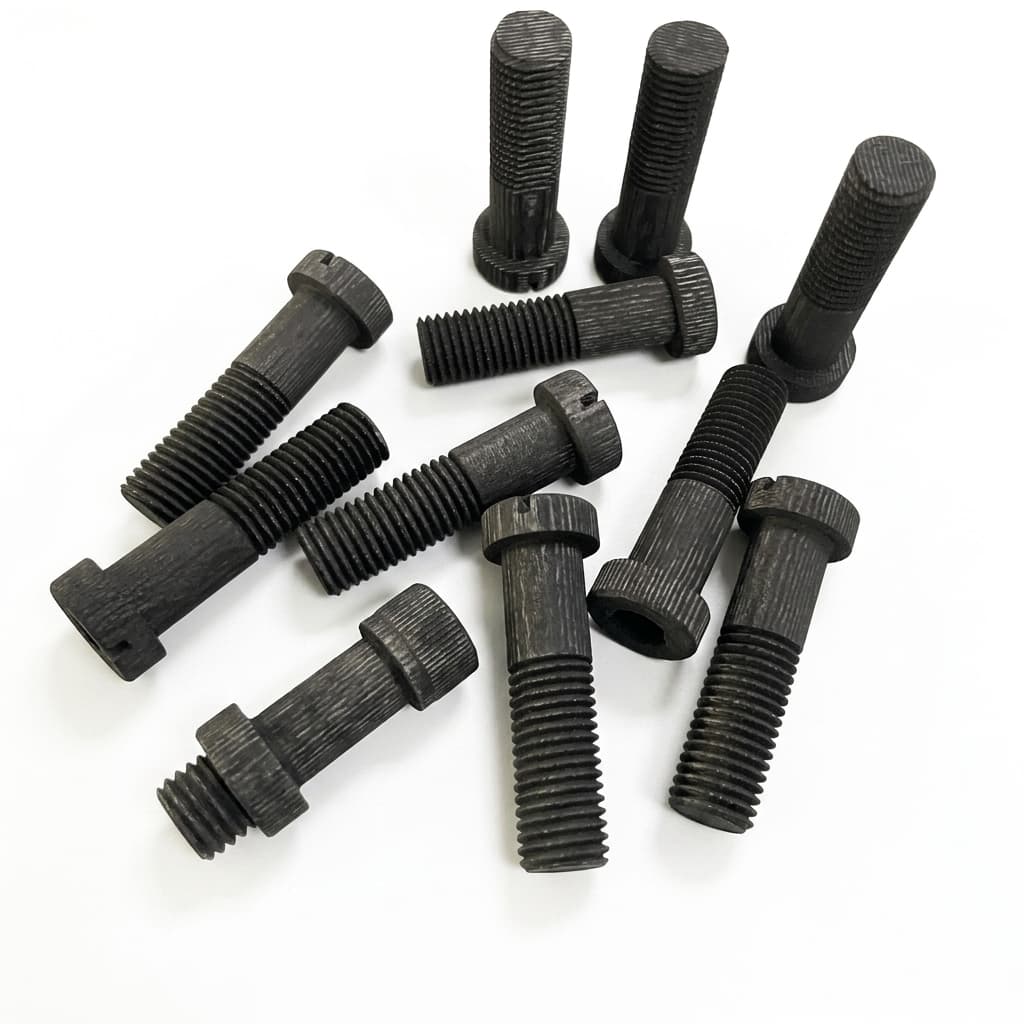
Carbon/Carbon composite bolts, nuts, and studs for high-temperature vacuum furnaces. Replacing brittle graphite fasteners with high-tensile-strength C/C composites to prevent catastrophic failure.

Target Buyer:Furnace OEMs and heat treatment facilities.
C/C composite bolt and fastener for high-temperature furnaces 1

Capability Highlights

  • Exceptional tensile strength
  • No brittle fracture at high temps
  • Thread precision

Typical Applications

  • Vacuum Furnaces
  • High-Temperature Fixtures

Engineering Focus

  • Thread strength
  • Shear strength
  • High-temp creep resistance

Key Evaluation Matrix

MetricTypical RangeWhy It Matters
Tensile Strength> 150 MPaPrevents fastener snapping during thermal cycles.
Fiber Architecture2D or 3D C/C composite by load directionFiber orientation controls strength, thread retention, and long-term deformation.
Operating AtmosphereVacuum or inert gas; oxidation protection if requiredC/C composite strength is excellent at temperature, but oxygen exposure must be managed.
Load CaseStatic load, fixture spacing, and thermal-cycle countTray sag, bolt shear, and creep risk depend on the real support condition.
Engineering Datasheet

Product-Level Technical Specifications

Values below are RFQ planning targets, not blanket guarantees. Final acceptance criteria should be frozen against drawings, process conditions, equipment model, and buyer qualification requirements.

ParameterTarget / Typical ScopeEngineering Note
Composite architecture2D or 3D C/C composite selected by load direction and thread geometryFiber architecture controls tensile strength, shear resistance, thread retention, and creep behavior.
Thread standardMetric, imperial, or drawing-defined thread with engagement length reviewedThread fit should be reviewed at temperature, not only at room-temperature assembly.
Load caseStatic load, shear load, preload, support spacing, and thermal-cycle count by RFQFastener sizing depends on real fixture load and support geometry more than nominal thread size.
Operating temperatureVacuum or inert high-temperature review by furnace processC/C composite retains strength at temperature, but oxygen exposure and thermal shock still need boundaries.
Machining toleranceThread class, shank diameter, head geometry, length, washer interface, and chamfer by drawingSmall thread defects or sharp transitions can become failure points during repeated assembly.
Surface finish and debris controlClean-machined threads, deburred edges, and protected contact surfacesCarbon debris from threads can contaminate fixtures or create assembly torque errors.

Trace Impurity Review Table

Semiconductor programs should define restricted elements before sample production. The table helps procurement and process teams turn purity expectations into a measurable qualification file.

ElementTypical LimitWhy Controlled
Fiber architecture2D / 3D route defined before quotationWrong architecture causes thread stripping, bolt shear, or creep under high-temperature load.
Density / open porosityProject-defined density class and impregnation routeDensity and porosity affect strength, oxidation sensitivity, and machining stability.
Oxidation exposureVacuum / inert baseline; coating or treatment reviewed if oxygen risk existsC/C composite is not a substitute for atmosphere control when oxygen or water vapor is present.
Thread debris / edge chipsVisual and handling acceptance defined by buyerMachined thread debris can interfere with torque, fixture cleanliness, and repeat assembly.

RFQ Evidence Package

These records reduce ambiguity before sample approval and repeat-order release.

  1. Fastener drawing with thread standard, engagement length, head geometry, shank, chamfer, and mating part.
  2. Load case with temperature, support span, preload or torque expectation, atmosphere, and cycle count.
  3. Fiber architecture and density route tied to tensile, shear, or creep risk.
  4. Thread visual inspection photos and dimensional checks for CTQ thread features.
  5. Packing photos separating small fasteners, protecting threads, and labeling batches for maintenance teams.

Equipment Compatibility Review

Compatibility should be treated as an engineering review, not a catalog claim. Equipment-family language helps buyers route the RFQ, while final production still depends on drawings, samples, coating allowance, and acceptance criteria.

Equipment FamilyCompatible Part ScopeBuyer Validation Required
High-temperature vacuum furnace fixturesC/C bolts, nuts, studs, washers, threaded rods, retainers, and support fasteners.Confirm thread standard, load at temperature, preload method, support span, atmosphere, and cycle count.
Heat treatment and sintering fixturesLoad-bearing fasteners and fixture retainers replacing brittle graphite or heavy refractory metal hardware.Confirm tray load, thermal cycle, handling frequency, required torque, and failure mode of current hardware.
Semiconductor and crystal-growth hot zonesLightweight C/C fasteners, supports, and retainers for thermal-field assemblies.Confirm contamination sensitivity, ash target if needed, mating graphite parts, and clean packing route.
Open full OEM compatibility matrix

Product Selection Logic

Decision FactorSelection LogicBuyer Check
Load at temperatureChoose C/C composite when graphite is too brittle or molybdenum adds too much thermal mass.Provide load, support spacing, furnace temperature, and cycle count.
Fiber architecture2D C/C can fit plates and trays; 3D architecture is preferred for multi-directional stress and threads.Clarify bending direction, thread engagement, and any fastener preload.
Oxidation boundaryC/C composite is strongest in vacuum or inert environments; oxygen exposure needs protection.Share atmosphere, leak risk, cleaning practice, and cooldown handling.

Manufacturing and QC Flow

StageProduction / QC CheckpointBuyer Evidence
1. Load-case reviewDefine temperature, support spacing, fastener preload, tray load, and cycle count.Application sketch, fixture drawing, load estimate, and atmosphere notes.
2. Fiber architectureChoose 2D or 3D C/C blank according to bending, shear, and thread loads.Material route with density and architecture recommendation.
3. Densification and machiningProcess C/C blank, then machine threads, holes, plates, and tray geometry.Dimensional report for load-bearing and assembly-critical features.
4. Strength-risk checkReview delamination, thread stripping, sag, and edge damage before shipping.Visual inspection plus agreed mechanical evidence if required.
5. Handling and packingPrevent abrasion and impact on lightweight C/C fixtures during export.Packing photos and handling notes for furnace maintenance teams.

RFQ Checklist

  1. Thread size (e.g., M8, M10, M12)
  2. Length required
  3. Quantity

Risk Controls

  • Thread stripping: Specialized CNC thread milling on 2D/3D C/C composite blanks.

Product Gallery

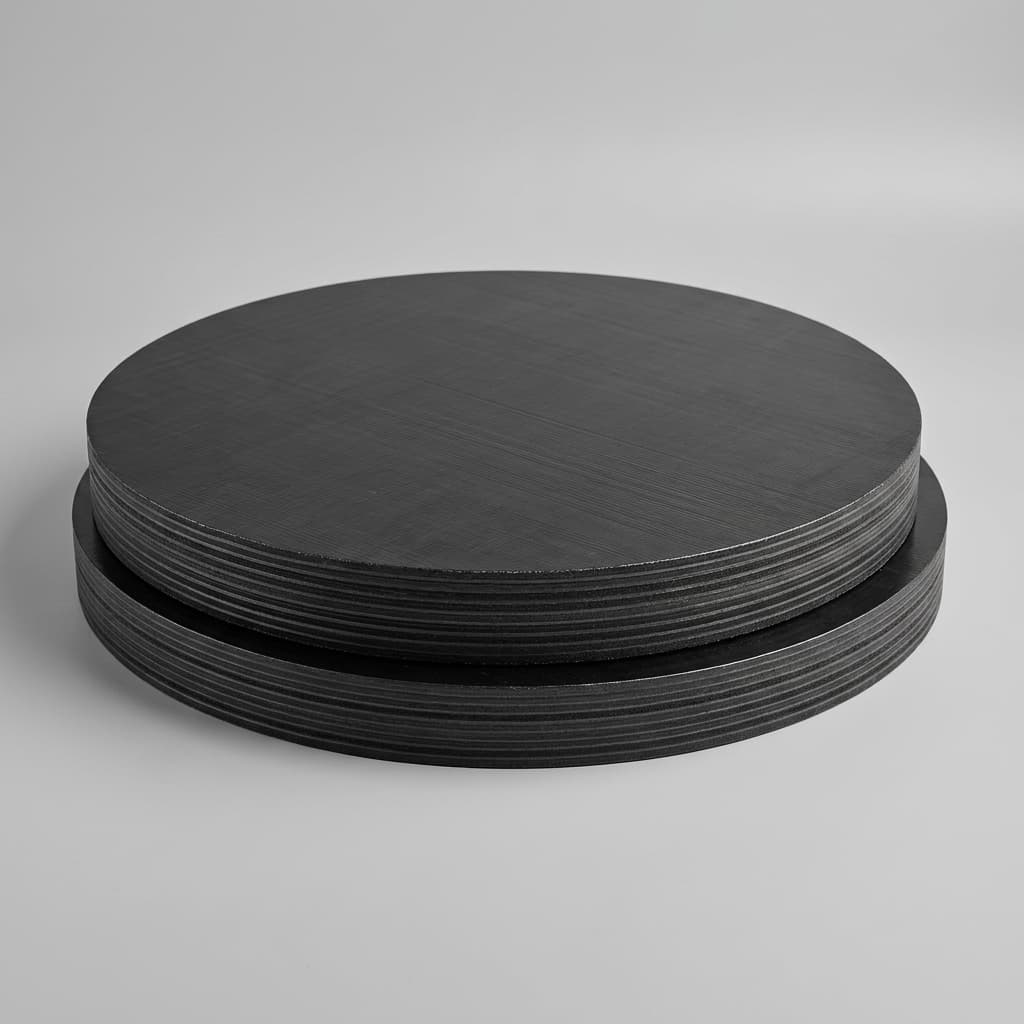
C/C composite bolt and fastener for high-temperature furnaces 2
C/C composite bolt and fastener for high-temperature furnaces 3
C/C composite bolt and fastener for high-temperature furnaces 4
C/C composite bolt and fastener for high-temperature furnaces 5
C/C composite bolt and fastener for high-temperature furnaces 6
C/C composite bolt and fastener for high-temperature furnaces 7
C/C composite bolt and fastener for high-temperature furnaces 8
Carbon carbon composite threaded fastener 1
Carbon carbon composite threaded fastener 2
Carbon carbon composite threaded fastener 3

Buyer FAQ

Do C/C bolts fuse to C/C nuts at high temperatures?

We ensure proper thread clearance and material matching to minimize binding.

When is C/C composite a better choice than graphite?

Choose C/C composite when the part carries load, sees repeated thermal shock, needs threaded strength, or fails because graphite is too brittle.

What information is needed for C/C tray or fastener design?

Provide load, support spacing, maximum temperature, atmosphere, cycle count, thread standard, and the current failure mode if replacing another material.

Can C/C composite be used in oxidizing atmospheres?

C/C composite performs best in vacuum or inert gas. If oxygen exposure is expected, the application needs oxidation-risk review and possible protective treatment.

Related Resources

  • OEM: C/C Fabrication
  • OEM Compatibility Matrix
  • Quality & Metrology
  • Contact / RFQ
  • Guide: C/C Composite vs Molybdenum

Procurement Next Steps

  • Compare the full product portfolio before locking material architecture.
  • Match the part to a process solution for thermal-field and contamination constraints.
  • Review OEM capability controls for machining, coating, purification, and export packaging.
  • Send a drawing-based RFQ with process, material grade, tolerances, quantity, and delivery target.

Inquiry Email

[email protected]

Email app

Include process, product type, drawing status, purity/coating target, dimensions, quantity forecast, operating conditions, and delivery date.

Instant Chat

+8618857971991

Chat on WhatsApp

Best for quick drawing checks, process fit questions, and RFQ clarification.