
RFQ Preparation Checklist
- Sample or drawing
- Annual quantity
- Current pain points (e.g., fast wear)
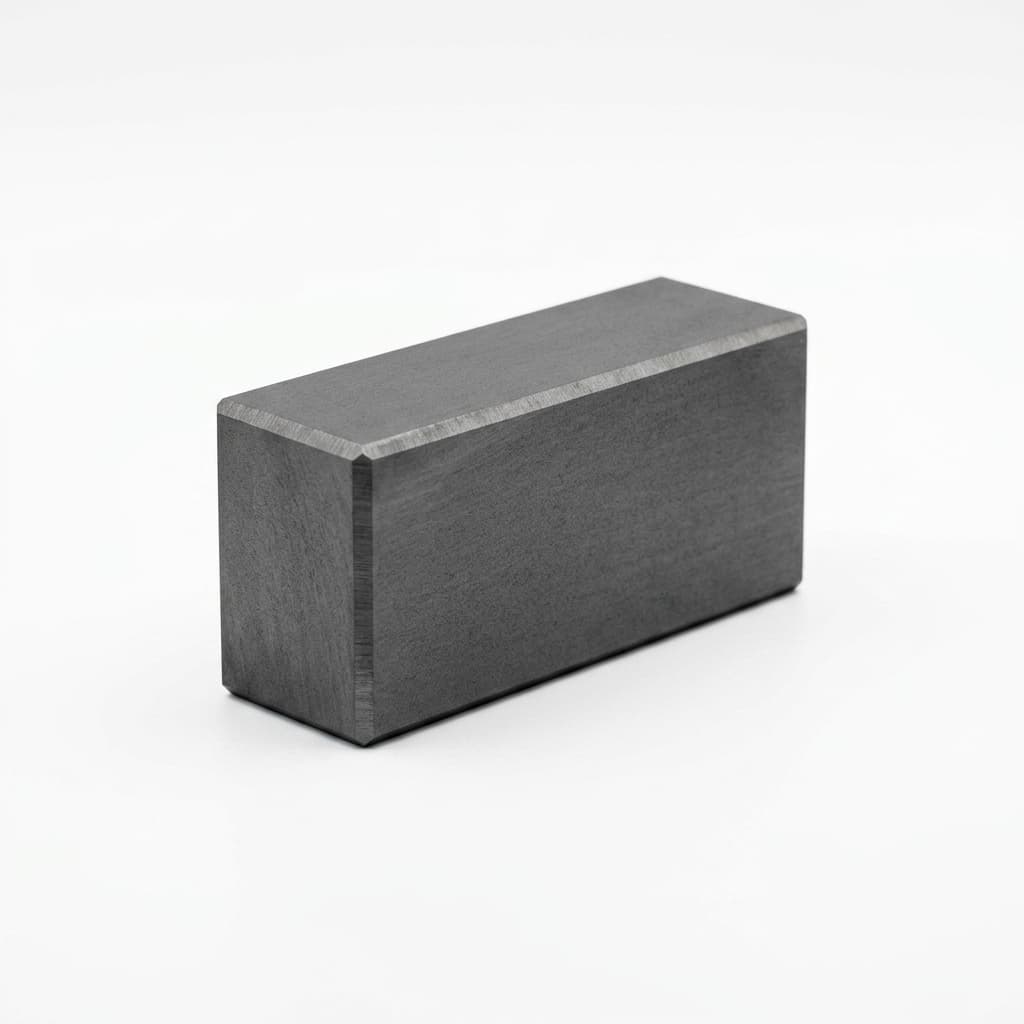
Reliable supply of specialty graphite consumable parts for industrial equipment, focusing on wear resistance, self-lubrication, and chemical inertness.
| Evaluation Metric | Typical Range | Buyer Relevance |
|---|---|---|
| Wear Rate | Application specific | Determines maintenance intervals. |
| Material Match | Density, hardness, impregnation, and grain size by sample | Industrial replacement parts fail early when only dimensions are copied. |
| Wear Interface | Sliding, rotating, sealing, or molten-metal contact | The contact mode determines whether lubrication, oxidation, or strength is limiting. |
| Replacement Trigger | Wear limit, cracking, leakage, or scheduled maintenance | A clear trigger lets buyers compare lifetime rather than only unit price. |
| Decision Factor | Selection Logic | Buyer Check |
|---|---|---|
| Replacement intent | Use specialty graphite replacement only where high temperature, wear, sealing, or chemical resistance is the real driver. | Share current material, pain point, replacement interval, and photos. |
| Material copy risk | Copying dimensions without matching density, hardness, or impregnation can shorten life. | Provide sample material data if known, or allow supplier-side grade matching. |
| Economic target | Decide whether the goal is lower unit cost, longer life, reduced downtime, or supply continuity. | Confirm annual demand and current failure cost. |
| Stage | Delivery / QC Checkpoint | Buyer Evidence |
|---|---|---|
| 1. Replacement baseline | Identify current part material, dimensions, operating condition, and failure mode. | Sample, photo, drawing, maintenance interval, and annual demand. |
| 2. Material match | Select graphite grade by wear, self-lubrication, oxidation, or chemical exposure. | Grade recommendation and trade-off notes. |
| 3. Reverse engineering | Convert sample or old drawing into manufacturable dimensions and tolerances. | Updated drawing for buyer approval. |
| 4. Sample validation | Produce trial parts and confirm fit, wear, and service interval against old parts. | Sample feedback before repeat production. |
| 5. Repeat supply | Set lot tracking, packaging, and reorder quantities for MRO stability. | Forecast and stocking agreement. |
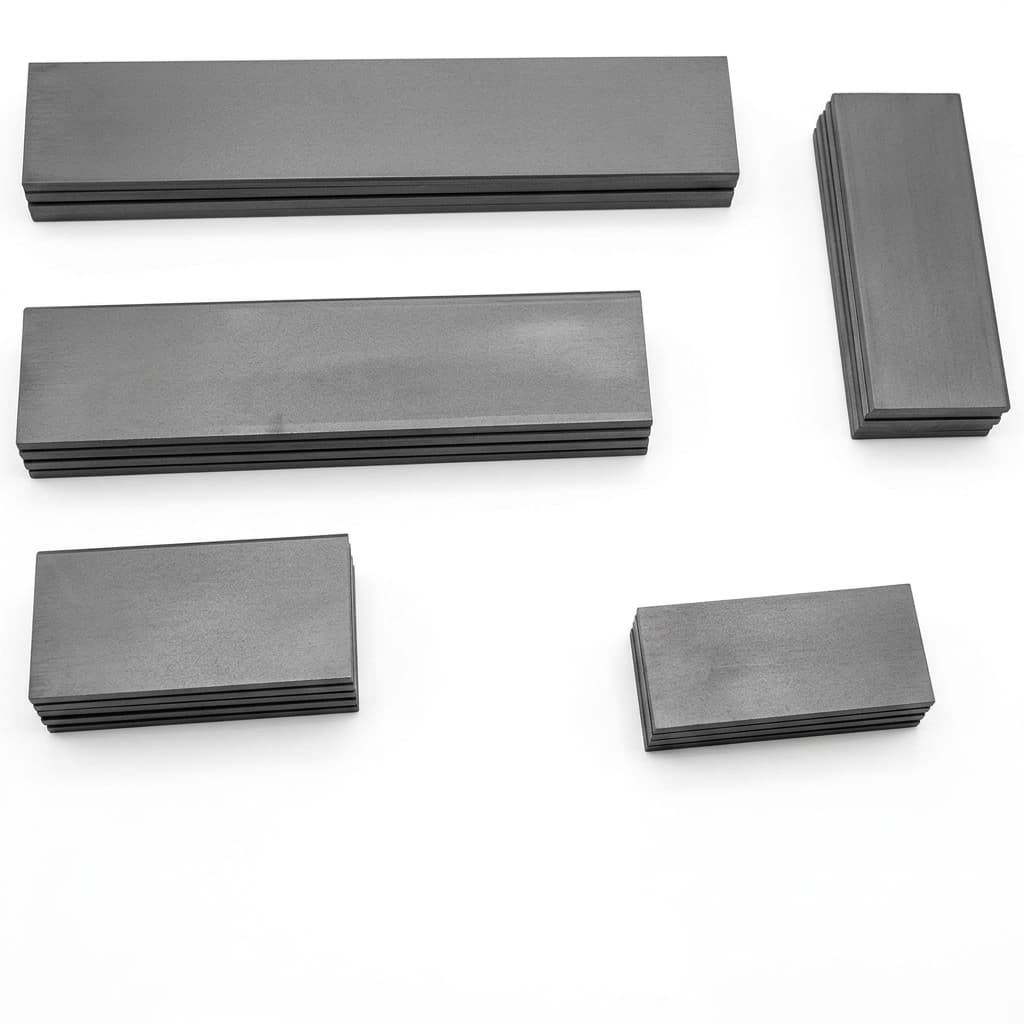
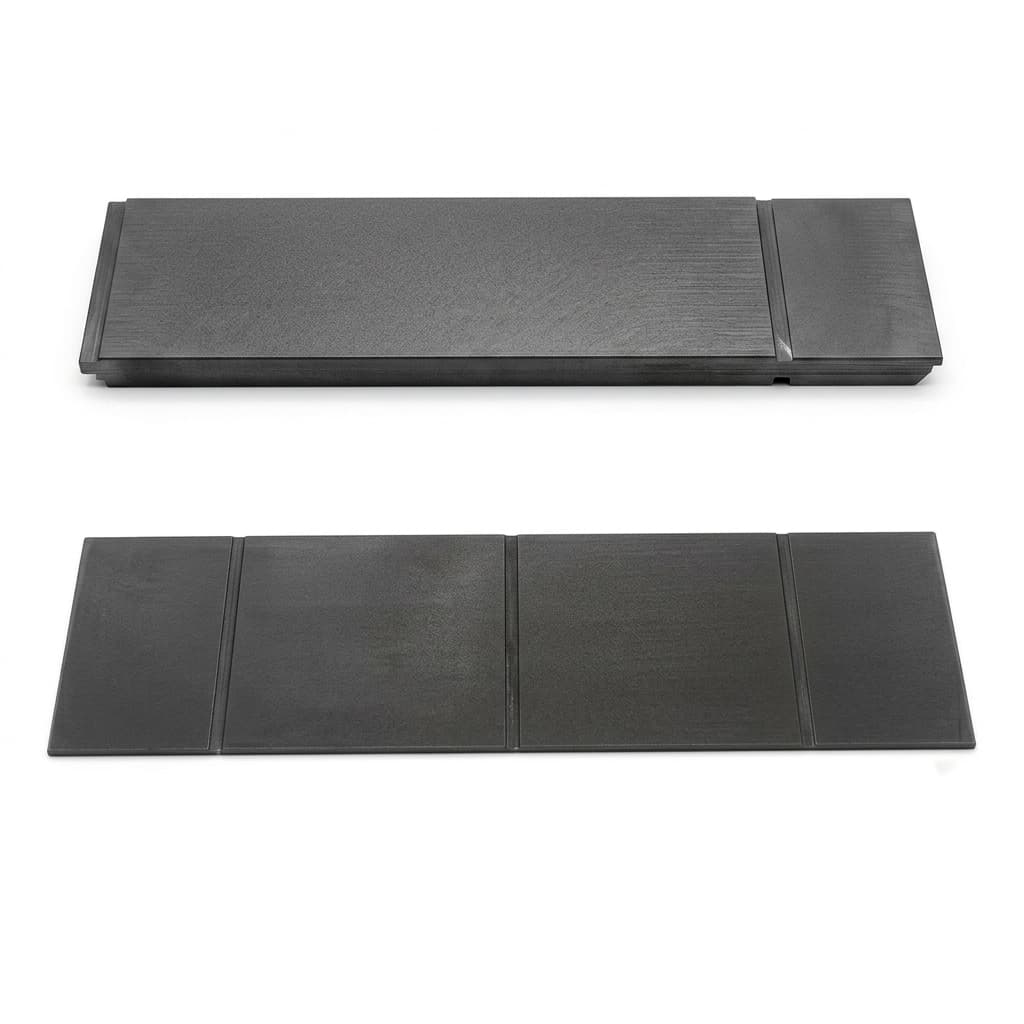
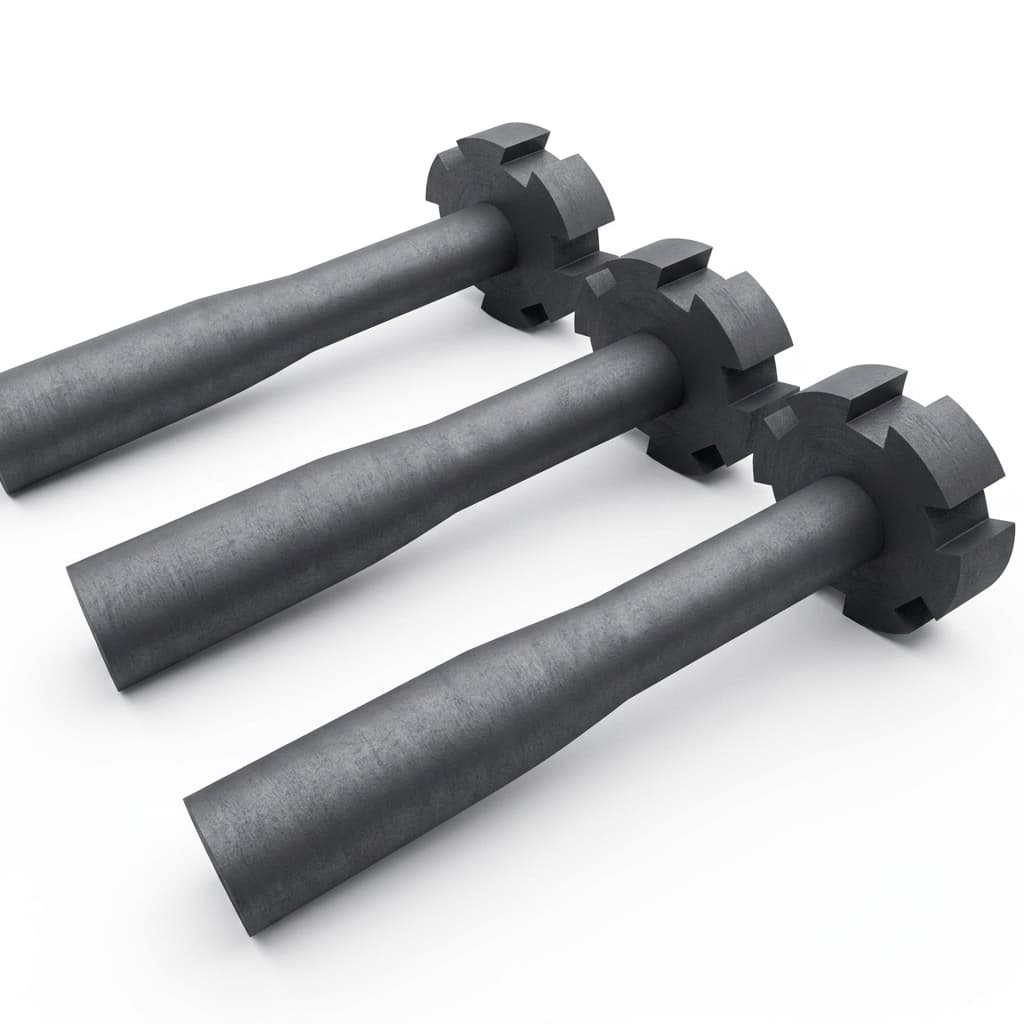
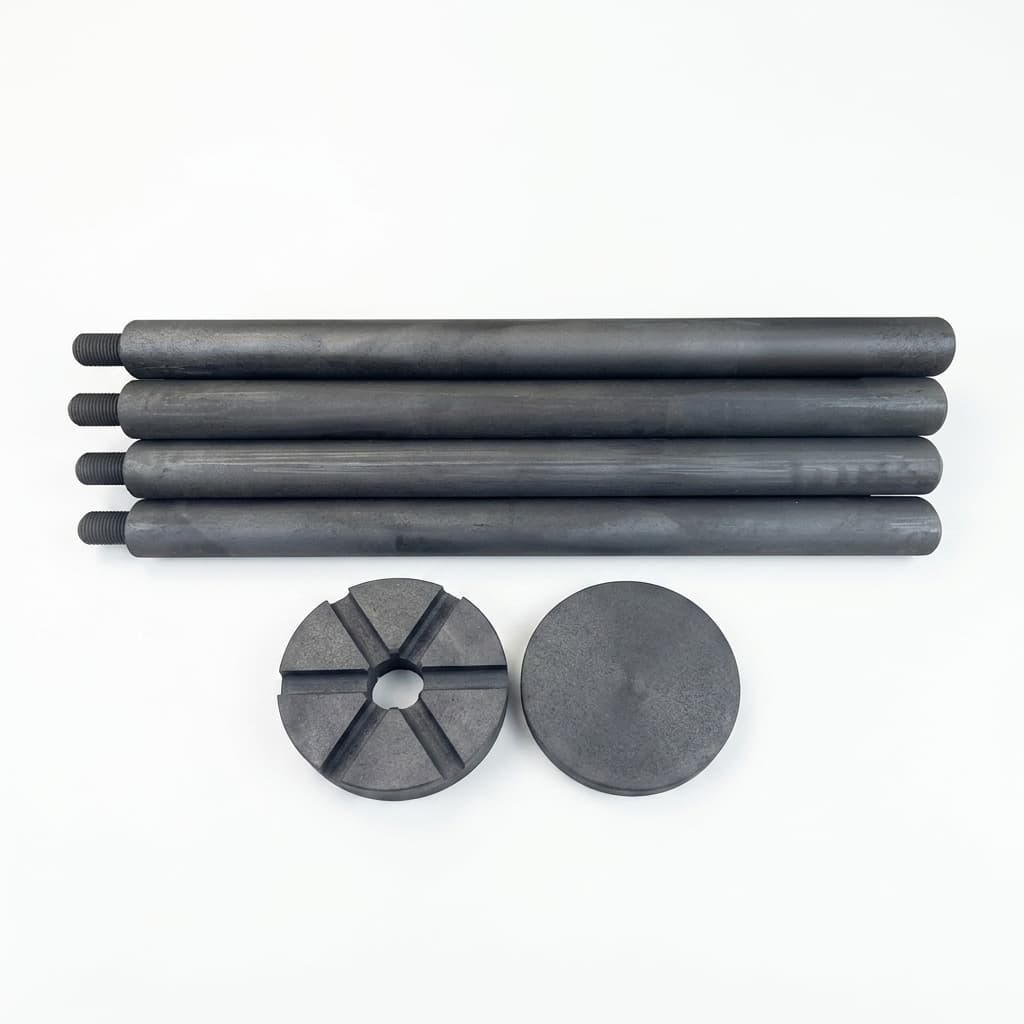
Yes, if you send us a sample and operating conditions.
Yes. A sample, photos, operating conditions, and current failure mode help define both geometry and material grade.
Density, hardness, impregnation, grain size, and surface finish often control wear life as much as dimensions.
Best-fit projects involve high temperature, vacuum, wear, self-lubrication, molten-metal contact, or process consumables rather than commodity graphite.
Inquiry Email
Include process, product type, drawing status, purity/coating target, dimensions, quantity forecast, operating conditions, and delivery date.
Instant Chat
+8618857971991
Best for quick drawing checks, process fit questions, and RFQ clarification.