SiC GraphiteSiC Graphite
Start inquiry
SiC GraphiteSiC Graphite
WhatsApp
SiC GraphiteSiC Graphite

China-based industrial OEM supplier supporting customization, quality control, and global delivery.

Inquiry Email

[email protected]

Email app

Include process, product type, drawing status, purity/coating target, dimensions, quantity forecast, operating conditions, and delivery date.

Instant Chat

+8618857971991

Chat on WhatsApp

Best for quick drawing checks, process fit questions, and RFQ clarification.

Products
  • SiC Crystal Growth Crucible
  • High-Purity Graphite Heater
  • Graphite Hot Zone
  • Rigid Carbon Felt Insulation
  • CVD SiC Coated Susceptor
  • SiC Coated Wafer Carrier
  • SiC Coated Dummy Wafer
  • C/C Composite Fasteners
  • C/C Composite Trays
  • Vacuum Pump Graphite Vanes
  • Aluminum Degassing Graphite Rotor
  • TaC Coated Graphite Crucible
  • Tantalum Carbide Guide Ring
  • TaC Coated Susceptor
Solutions
  • SiC PVT Crystal Growth
  • MOCVD & Epitaxy
  • Semiconductor Thermal Field
  • Vacuum Furnace Hot Zone
  • High-Temperature Carbon Composites
  • Industrial Graphite Replacement
OEM Capabilities
  • High-Purity Graphite Machining
  • CVD SiC Coating
  • C/C Composite Fabrication
  • Purity and Ash Control
  • Drawing-Based Custom Parts
  • Inspection and Export Packaging
Resources
  • Blog
  • About
  • Contact / RFQ
  • Quality & Metrology
  • OEM Compatibility Matrix
  • Privacy Policy
  • Terms of Service
  • Cookie Policy
© 2026 SiC Graphite. All Rights Reserved.|Supply chain combines Liaoyang Xingde graphite thermal-field manufacturing with Qingdao Chijiu CVD SiC coating and C/C composite capabilities.
← Back to Products

TaC Coated Susceptor

TaC coated graphite susceptors and seed-support components for ultra-high-temperature compound semiconductor processes that require stronger vapor corrosion resistance than conventional graphite or SiC coating.

Target Buyer:R&D and production teams qualifying high-value TaC coated graphite parts for next-generation crystal growth.
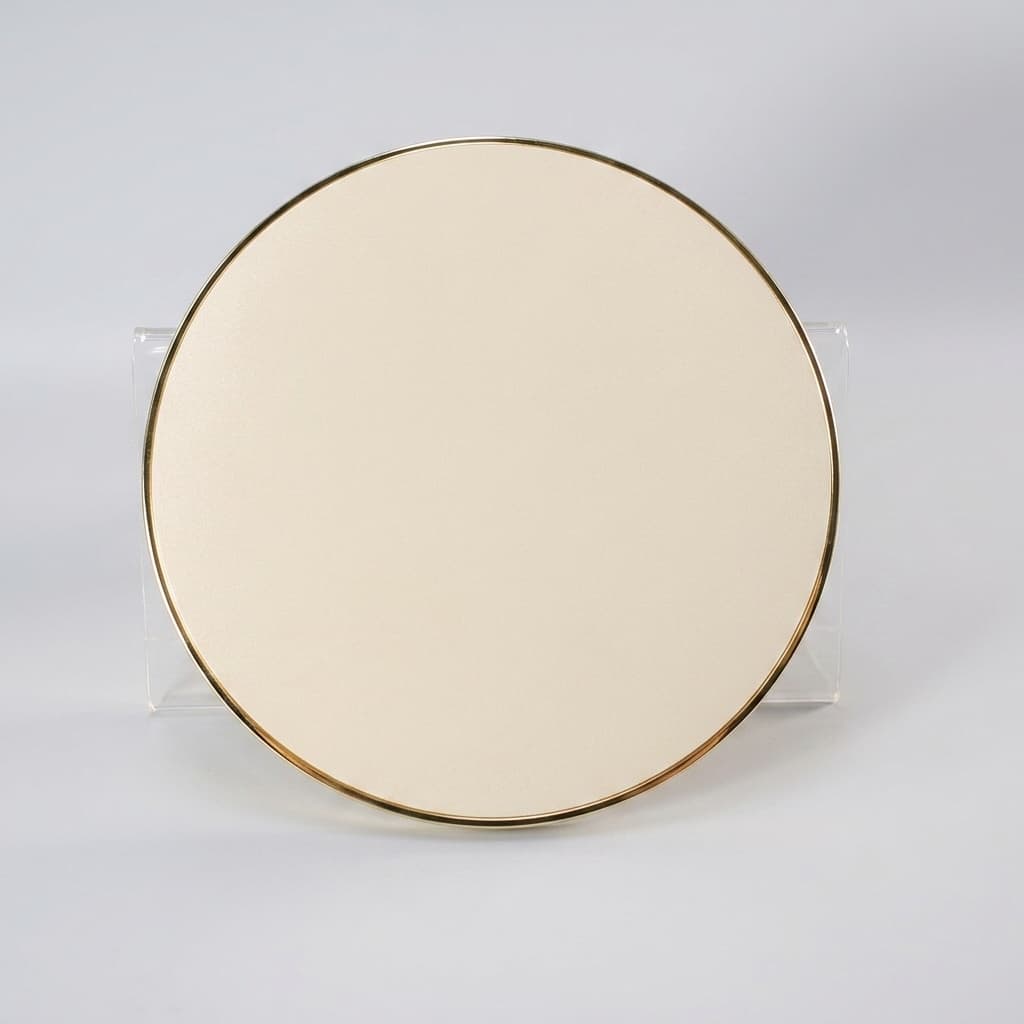
TaC coated graphite susceptor for advanced wide-bandgap crystal growth 1

Capability Highlights

  • Tantalum carbide coating for extreme thermal and chemical stability
  • Custom seed holder, tray, and susceptor geometry review
  • Built for SiC, AlN, and advanced wide-bandgap material development

Typical Applications

  • SiC Seed Supports
  • AlN Growth Components
  • Advanced Wide-Bandgap R&D Reactors

Engineering Focus

  • Coating thickness and coverage map
  • Seed-contact surface condition
  • Thermal expansion and stress control

Key Evaluation Matrix

MetricTypical RangeWhy It Matters
Process FitSiC / AlN ultra-high-temperature growth reviewTaC coated susceptors are project-specific parts where geometry and process exposure drive feasibility.
Surface AcceptanceBuyer-defined contact surface and visual criteriaSeed-contact and vapor-facing surfaces need clearer acceptance criteria than generic coated graphite parts.
TaC Coating RouteCVD TaC on high-purity graphite substrateThe coating route must match geometry, vapor exposure, and thermal-cycle stress.
Ultra-High-Temperature UseProject review for 2000-2300°C class hot zonesTaC is used when conventional graphite or SiC coating cannot provide enough high-temperature stability.
Coating MapBuyer-marked vapor-facing, contact, and masked surfacesUnclear coating boundaries create fit risk, shadow areas, and early erosion points.
Trace Element ControlBuyer-defined Ta, Fe, Ni, Al, Ca, V, Ti limitsHigh-value crystal-growth programs need contamination limits agreed before sample production.
Engineering Datasheet

Product-Level Technical Specifications

Values below are RFQ planning targets, not blanket guarantees. Final acceptance criteria should be frozen against drawings, process conditions, equipment model, and buyer qualification requirements.

ParameterTarget / Typical ScopeEngineering Note
Part architectureDrawing-based susceptor, seed holder, tray, or support geometry with TaC coatingTaC susceptors are usually project-specific because contact surfaces and vapor exposure vary by reactor.
Seed-contact surfaceBuyer-defined flatness, roughness, and visual acceptance criteriaSeed-contact surfaces require clearer criteria than non-contact thermal-field hardware.
Coating typeCVD TaC coating on vapor-facing and process-contact surfacesCoating feasibility depends on pocket depth, blind features, line-of-sight, and masking scope.
Operating environmentSiC / AlN ultra-high-temperature growth reviewTemperature, vapor species, cleaning exposure, and thermal cycling should be stated in the RFQ.
Dimensional toleranceCTQ pocket, seed seat, thickness, OD/ID, hole pattern, and support features by drawingPost-coating tolerance review prevents seed misfit, wobble, and assembly interference.
Cleaning and packing routeClean handling, separator, and bagging method defined before shipmentContact surfaces can lose value through fingerprints, abrasion, or particle contamination after QC.

Trace Impurity Review Table

Semiconductor programs should define restricted elements before sample production. The table helps procurement and process teams turn purity expectations into a measurable qualification file.

ElementTypical LimitWhy Controlled
Fe / Cr / NiBuyer-defined trace-metal limitsContact and vapor-facing parts need restricted metallic background before qualification.
Al / Ca / NaProject-specific acceptance boundaryCommon elements to define for high-purity graphite substrate and post-coating handling.
B / V / TiDefined by SiC / AlN process sensitivityRelevant when buyers evaluate dopant background, contamination, or crystal defect risk.
TaReported as TaC coating element where requiredUseful for buyer-side records separating intended coating chemistry from contamination limits.

RFQ Evidence Package

These records reduce ambiguity before sample approval and repeat-order release.

  1. 2D/3D drawing with seed-contact, vapor-facing, masked, and fit-critical surfaces marked.
  2. Surface acceptance criteria for seed-contact or wafer-contact areas before sample release.
  3. TaC coating map with visual inspection photos and coating-feasibility notes.
  4. Trace-element table or COA scope for graphite substrate and coated part release.
  5. Clean packing photos showing separators and protection for contact surfaces.

Equipment Compatibility Review

Compatibility should be treated as an engineering review, not a catalog claim. Equipment-family language helps buyers route the RFQ, while final production still depends on drawings, samples, coating allowance, and acceptance criteria.

Equipment FamilyCompatible Part ScopeBuyer Validation Required
SiC seed support and PVT growth systemsTaC coated seed holders, susceptors, trays, and vapor-facing support parts.Confirm seed diameter, contact surface, thermal gradient position, coating boundary, and support interface.
AlN growth and advanced R&D reactorsTaC coated graphite supports and susceptors for ultra-high-temperature process development.Confirm temperature window, vapor chemistry, cleaning exposure, masking surfaces, and trace-element reporting.
Custom wide-bandgap material reactorsDrawing-based TaC coated susceptors where geometry and process exposure define feasibility.Confirm 2D/3D model, current failure mode, acceptance evidence, and sample-to-batch qualification path.
Open full OEM compatibility matrix

Product Selection Logic

Decision FactorSelection LogicBuyer Check
Temperature ceilingReview TaC coated graphite when the component faces SiC PVT, AlN growth, or vapor exposure beyond the reliable window of standard graphite or SiC coating.Share maximum temperature, hot-zone position, atmosphere, vapor species, and current lifetime.
Coating feasibilityTaC coating feasibility depends on line-of-sight, feature depth, edge radii, masked surfaces, and final dimensions after coating.Send drawings with vapor-facing surfaces, seed-contact surfaces, grooves, holes, and uncoated interfaces marked.
Contamination controlHigh-purity graphite substrate, purification route, and trace-element reporting should be agreed before prototype release.Define restricted elements, report format, packaging cleanliness, and sample acceptance criteria.

Manufacturing and QC Flow

StageProduction / QC CheckpointBuyer Evidence
1. Process and geometry reviewConfirm hot-zone position, growth temperature, vapor exposure, coated surfaces, and masked interfaces.Marked drawing, process notes, current failure photos, and lifetime target.
2. Substrate and purity planSelect high-purity graphite substrate and define purification plus trace-element reporting scope.Material route, ash target, restricted-element list, and COA expectations.
3. Pre-coating machiningMachine OD, ID, grooves, seed-contact surfaces, and CTQ interfaces with coating allowance reviewed.First-article dimensional data for pre-coating critical features.
4. CVD TaC coatingDeposit TaC on agreed surfaces while controlling coating stress, edge coverage, and shadow risk.Coating map, visual acceptance criteria, and inspection method agreed before production.
5. Final inspection and clean packingInspect contact surfaces, coated areas, fit-critical features, and export protection for brittle coated parts.Final photos, dimensional checks where required, packing photos, and traceable shipment documents.

RFQ Checklist

  1. Send 2D/3D drawings with seed-contact and vapor-facing surfaces marked
  2. Define wafer or seed diameter, pocket geometry, and flatness target
  3. Specify maximum temperature, atmosphere, and cleaning exposure
  4. List required trace-element, visual, and dimensional acceptance evidence

Risk Controls

  • Seed-contact contamination or imprint risk: Define contact-surface finish, cleaning route, and packing method before sample production.
  • Coating shadow on complex geometry: Review pocket depth, blind features, and masking scope before confirming TaC feasibility.

Product Gallery

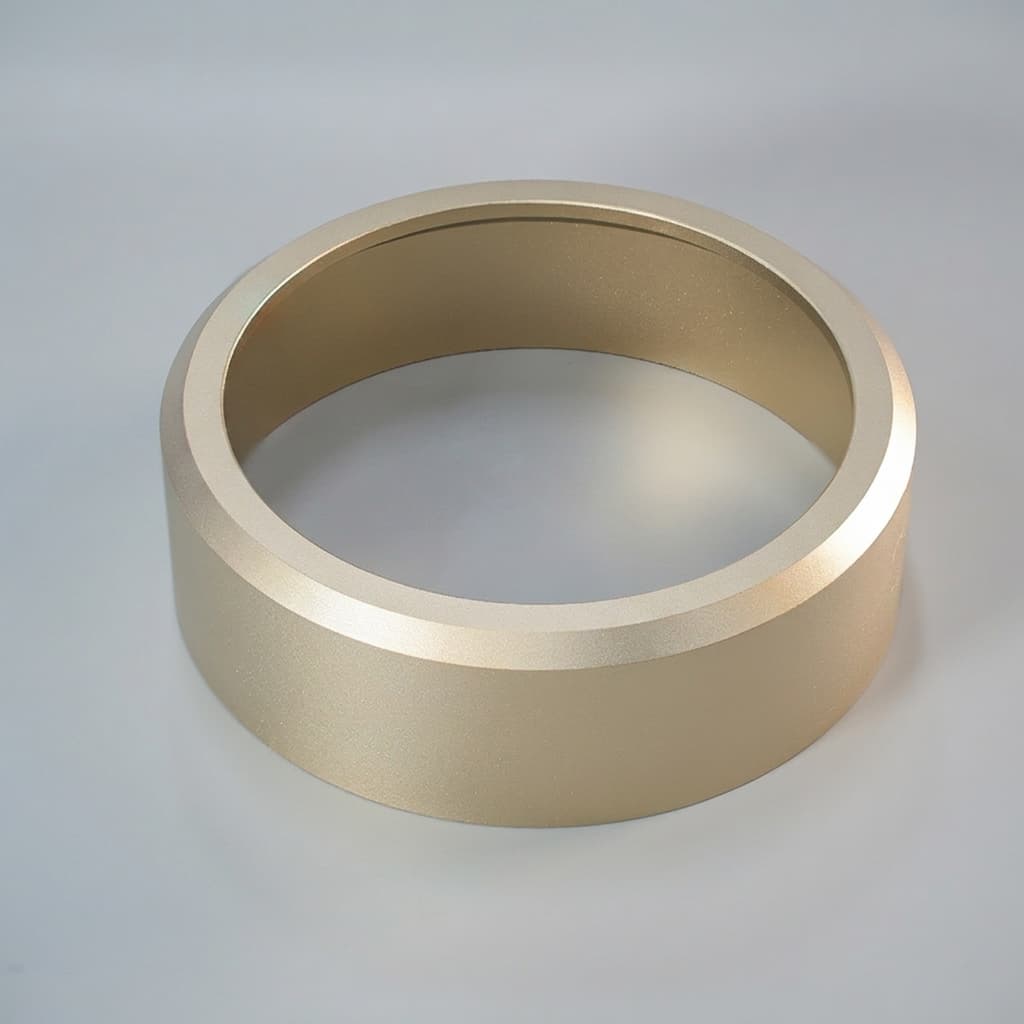
TaC coated graphite susceptor for advanced wide-bandgap crystal growth 2
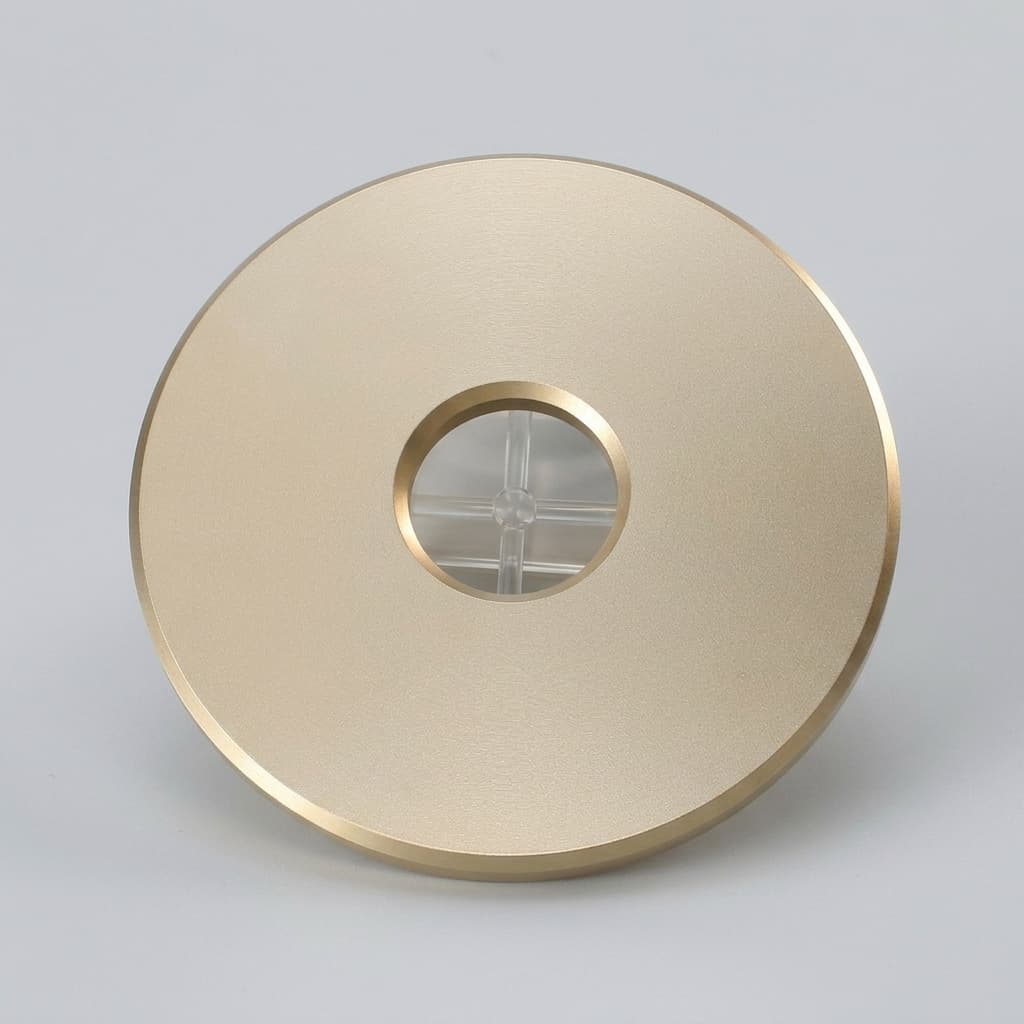
TaC coated graphite susceptor for advanced wide-bandgap crystal growth 3
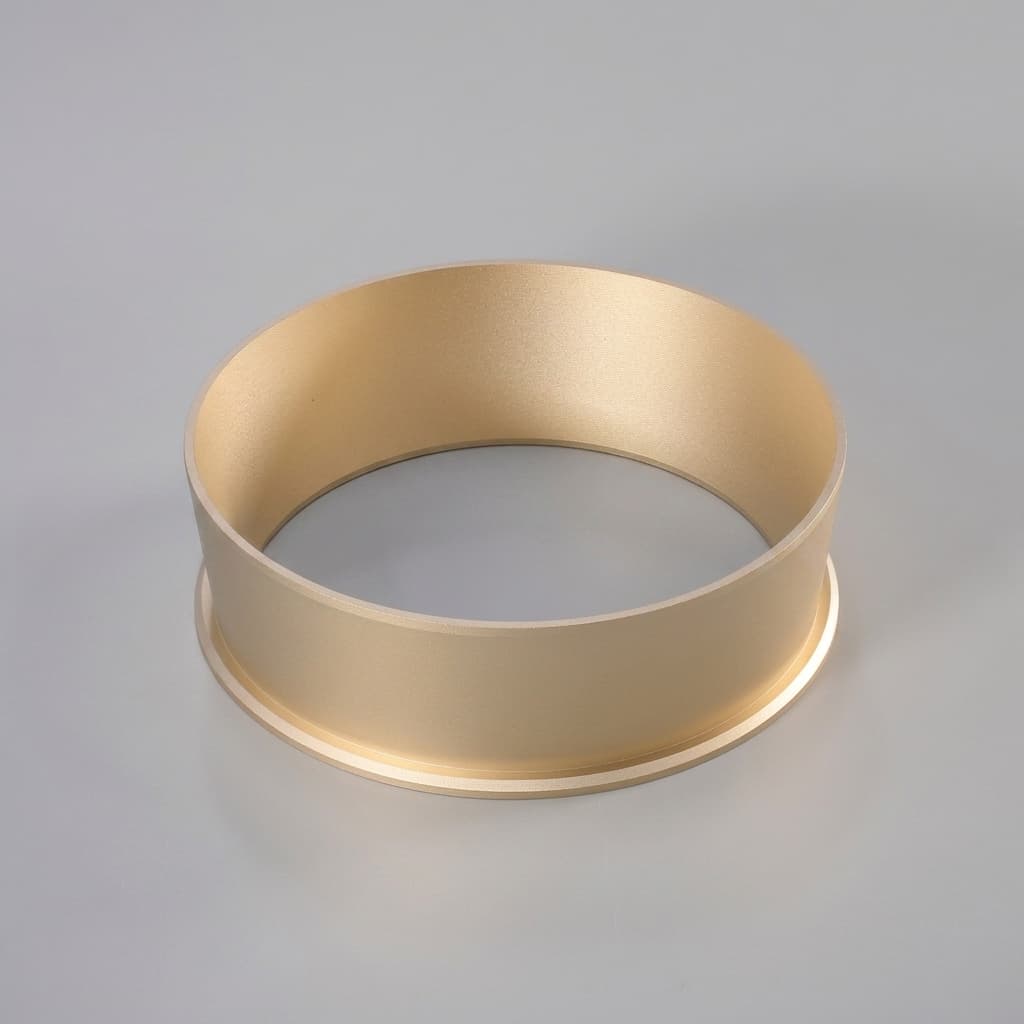
TaC coated graphite susceptor for advanced wide-bandgap crystal growth 4
TaC coated graphite susceptor for advanced wide-bandgap crystal growth 5

Buyer FAQ

Are TaC coated susceptors standard catalog parts?

Most TaC coated susceptors are drawing-based custom parts because seed geometry, reactor layout, and vapor exposure differ by process.

What makes TaC coating different from SiC coating?

TaC coating is selected for more extreme high-temperature and vapor-corrosion environments, especially SiC PVT and AlN growth zones where SiC coating lifetime may be limited.

What information is required before quoting TaC coated parts?

Send drawings, marked coated surfaces, process temperature, atmosphere, vapor exposure, current failure mode, purity limits, and expected replacement cycle.

Can TaC coated graphite parts be made as direct replacements?

Yes, but coating allowance, masked interfaces, edge radii, and post-coating dimensions must be reviewed so the replacement still fits the furnace assembly.

Related Resources

  • Product: TaC Coated Crucible
  • OEM: CVD SiC Coating
  • OEM Compatibility Matrix
  • Quality & Metrology
  • Contact / RFQ
  • Solution: SiC PVT Crystal Growth
  • OEM: Purity and Ash Control
  • OEM: Drawing-Based Custom Parts

Procurement Next Steps

  • Compare the full product portfolio before locking material architecture.
  • Match the part to a process solution for thermal-field and contamination constraints.
  • Review OEM capability controls for machining, coating, purification, and export packaging.
  • Send a drawing-based RFQ with process, material grade, tolerances, quantity, and delivery target.

Inquiry Email

[email protected]

Email app

Include process, product type, drawing status, purity/coating target, dimensions, quantity forecast, operating conditions, and delivery date.

Instant Chat

+8618857971991

Chat on WhatsApp

Best for quick drawing checks, process fit questions, and RFQ clarification.