SiC GraphiteSiC Graphite
Start inquiry
SiC GraphiteSiC Graphite
WhatsApp
SiC GraphiteSiC Graphite

China-based industrial OEM supplier supporting customization, quality control, and global delivery.

Inquiry Email

[email protected]

Email app

Include process, product type, drawing status, purity/coating target, dimensions, quantity forecast, operating conditions, and delivery date.

Instant Chat

+8618857971991

Chat on WhatsApp

Best for quick drawing checks, process fit questions, and RFQ clarification.

Products
  • SiC Crystal Growth Crucible
  • High-Purity Graphite Heater
  • Graphite Hot Zone
  • Rigid Carbon Felt Insulation
  • CVD SiC Coated Susceptor
  • SiC Coated Wafer Carrier
  • SiC Coated Dummy Wafer
  • C/C Composite Fasteners
  • C/C Composite Trays
  • Vacuum Pump Graphite Vanes
  • Aluminum Degassing Graphite Rotor
  • TaC Coated Graphite Crucible
  • Tantalum Carbide Guide Ring
  • TaC Coated Susceptor
Solutions
  • SiC PVT Crystal Growth
  • MOCVD & Epitaxy
  • Semiconductor Thermal Field
  • Vacuum Furnace Hot Zone
  • High-Temperature Carbon Composites
  • Industrial Graphite Replacement
OEM Capabilities
  • High-Purity Graphite Machining
  • CVD SiC Coating
  • C/C Composite Fabrication
  • Purity and Ash Control
  • Drawing-Based Custom Parts
  • Inspection and Export Packaging
Resources
  • Blog
  • About
  • Contact / RFQ
  • Quality & Metrology
  • OEM Compatibility Matrix
  • Privacy Policy
  • Terms of Service
  • Cookie Policy
© 2026 SiC Graphite. All Rights Reserved.|Supply chain combines Liaoyang Xingde graphite thermal-field manufacturing with Qingdao Chijiu CVD SiC coating and C/C composite capabilities.
← Back to Products

Rigid Carbon Felt Insulation

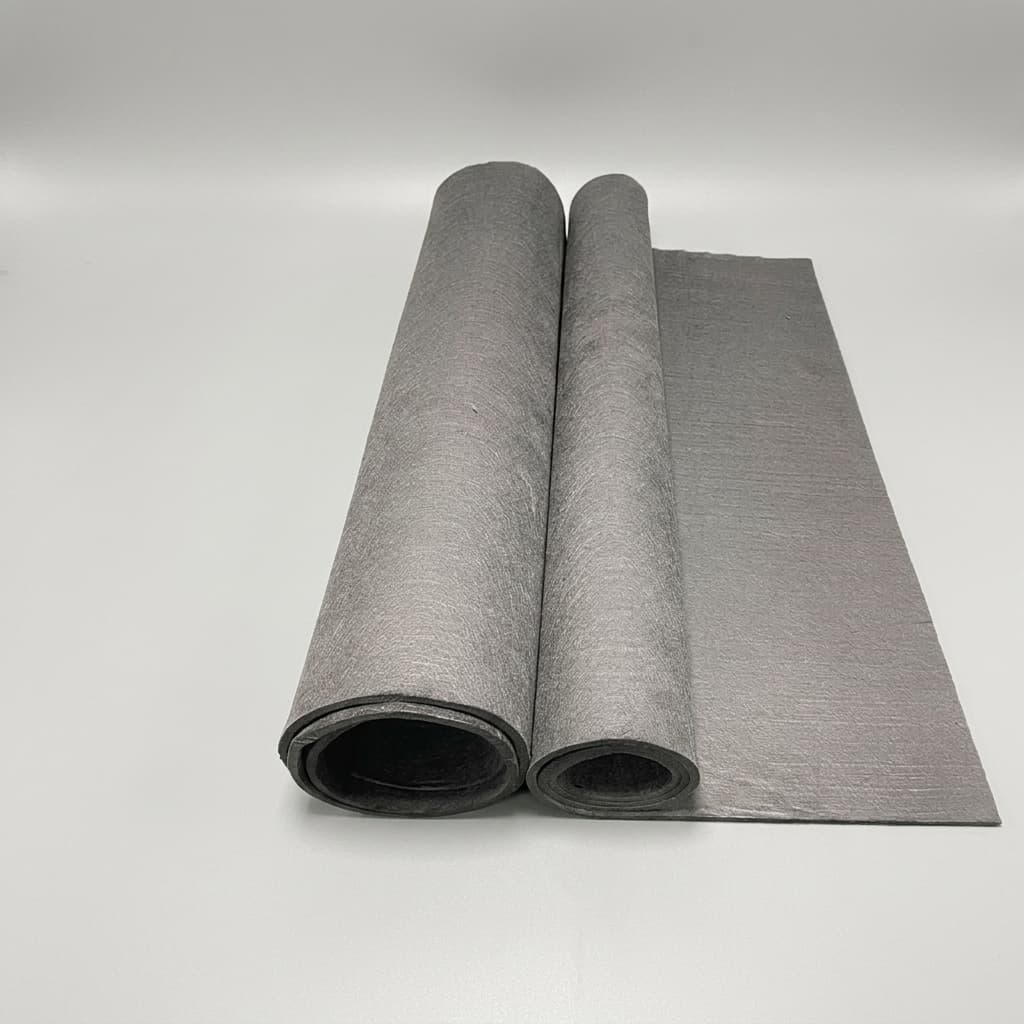
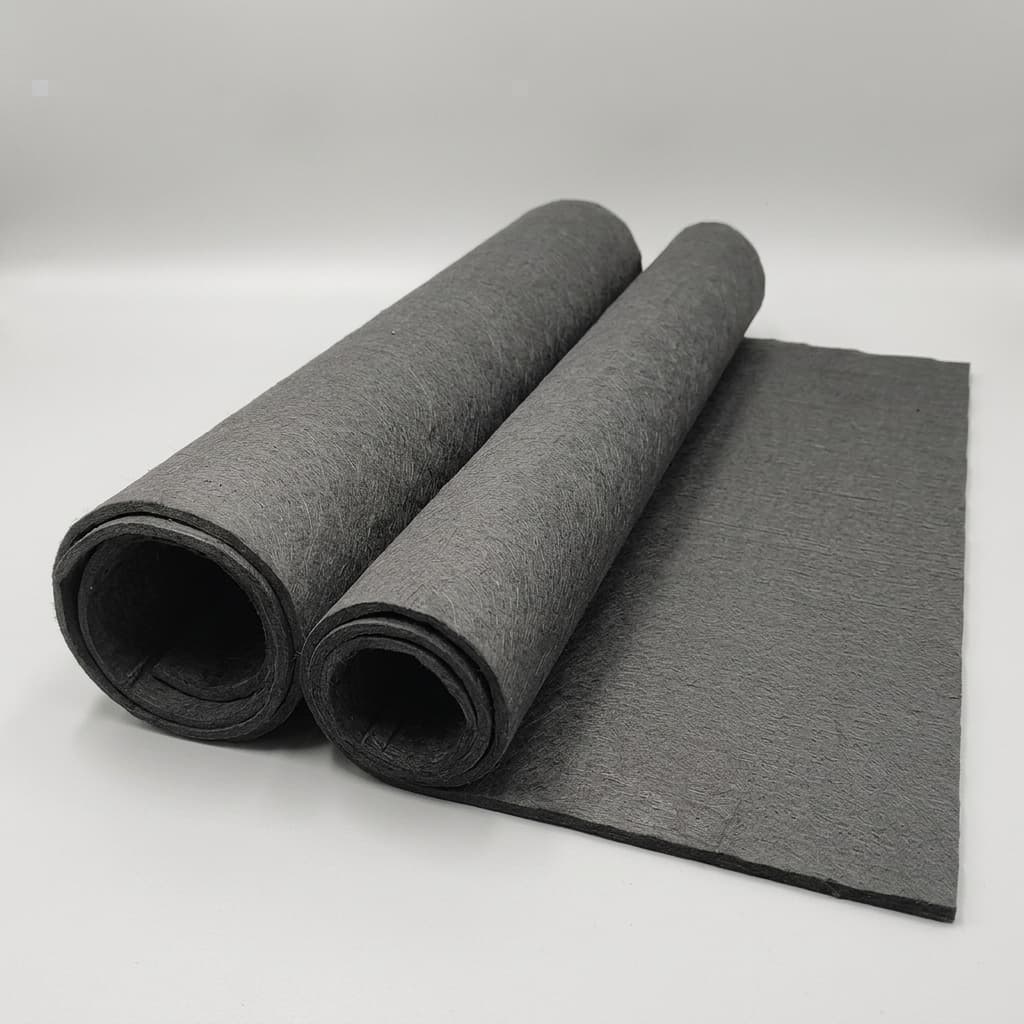
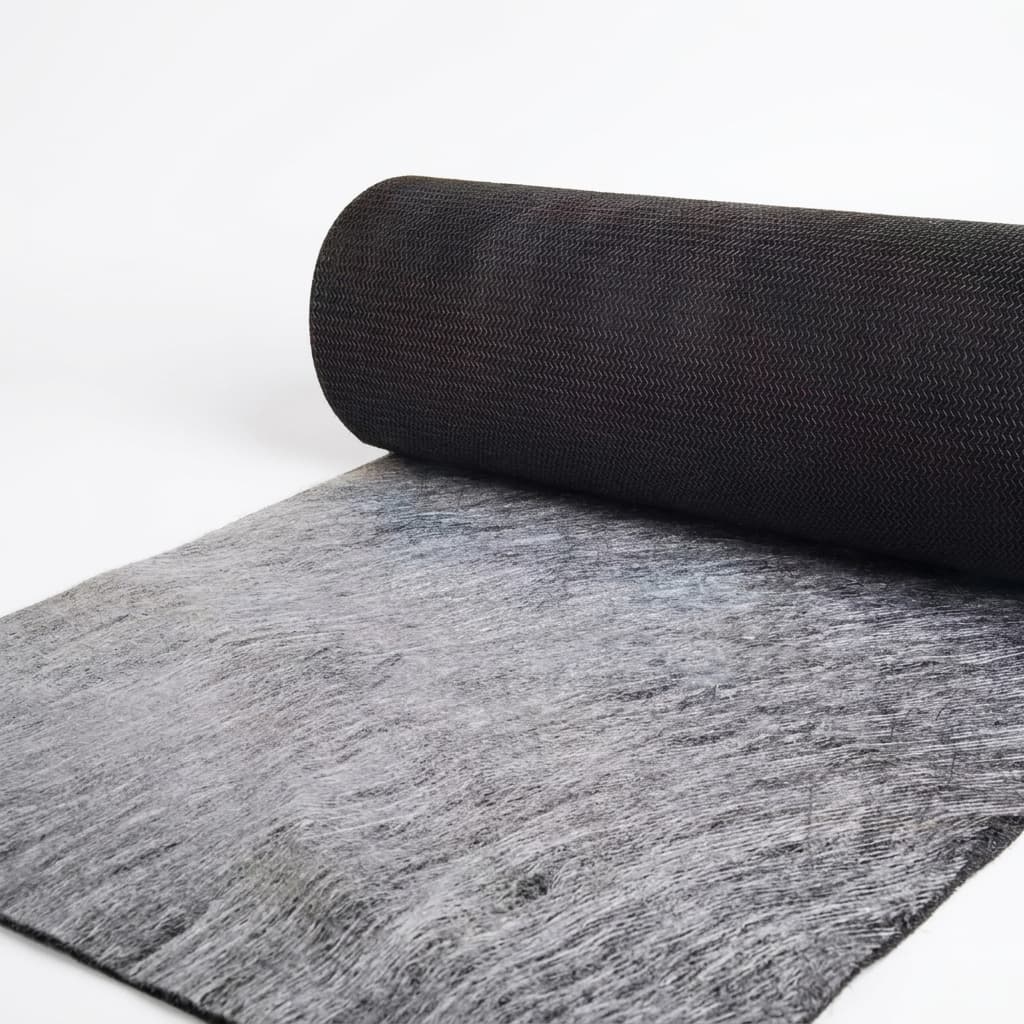
Rigid graphite felt insulation for high-temperature vacuum furnaces and inert-atmosphere hot zones. Designed for low thermal conductivity, shape stability, and controlled outgassing.

Target Buyer:Thermal engineers and furnace maintenance teams.
Rigid carbon felt insulation for high-temperature vacuum furnace 1

Capability Highlights

  • Low thermal conductivity
  • High shape stability
  • Low ash and outgassing

Typical Applications

  • Vacuum Furnaces
  • SiC PVT Furnaces
  • Inert Gas Furnaces

Engineering Focus

  • Thickness tolerance
  • Coating options (e.g., graphite foil face)
  • Ash content

Key Evaluation Matrix

MetricTypical RangeWhy It Matters
Thermal Conductivity0.1 - 0.2 W/m·K at 1000°CDetermines energy efficiency and max temp.
Thickness and DensitySpecified by hot-zone heat-loss targetUnder-specified insulation increases power draw and reduces temperature stability.
Surface TreatmentBare felt, foil-faced, or coated surfaceSurface treatment reduces dusting and protects fragile insulation edges.
Fit GeometryCylinder, ring, plate, or segmented assemblyGaps between insulation pieces become repeatable heat-loss paths.
Engineering Datasheet

Product-Level Technical Specifications

Values below are RFQ planning targets, not blanket guarantees. Final acceptance criteria should be frozen against drawings, process conditions, equipment model, and buyer qualification requirements.

ParameterTarget / Typical ScopeEngineering Note
Insulation formCylinder, ring, plate, segment, panel, or machined custom shapeForm factor should follow chamber access, seam position, and handling risk.
Density and thicknessBuyer-defined density class and thickness by heat-loss targetThickness, density, and surface treatment must be reviewed together for energy use and mechanical stability.
Thermal conductivityTypical low-conductivity carbon / graphite felt range by temperatureQuoted conductivity should be tied to test temperature and felt grade, not used as a universal constant.
Surface treatmentBare rigid felt, graphite foil-faced, coated, or C/C protected surfacesSurface treatment reduces dusting, erosion, and edge damage in maintenance cycles.
Machining toleranceOD, ID, height, thickness, seam, and segmented fit by drawingInsulation gaps become repeatable heat-loss paths and can change hot-zone uniformity.
Maximum service environmentVacuum or inert furnace review by temperature, ramp cycle, and purity requirementAir leaks, oxygen exposure, or aggressive cleaning can shorten insulation life quickly.

Trace Impurity Review Table

Semiconductor programs should define restricted elements before sample production. The table helps procurement and process teams turn purity expectations into a measurable qualification file.

ElementTypical LimitWhy Controlled
Ash contentStandard, purified, or semiconductor-grade target by projectLow-ash felt is required when insulation sits near crystal-growth or clean thermal-field zones.
Fiber dustingSurface-sealed or foil-faced route where dust is not acceptableFelt dust can contaminate heaters, shields, crucibles, and wafer-facing hot-zone hardware.
Volatile releaseBakeout or outgassing expectation defined by vacuum processVacuum furnaces need predictable pump-down and stable background cleanliness.
Handling contaminationClean bagging and separator method defined before shipmentSoft and rigid insulation can carry dust or loose fibers if packing is treated only as logistics.

RFQ Evidence Package

These records reduce ambiguity before sample approval and repeat-order release.

  1. Insulation drawing with OD, ID, height, thickness, segmentation, seam, and foil/coating orientation.
  2. Material route stating density class, ash target, surface treatment, and maximum service environment.
  3. Dimensional or fit record for cylinders, rings, panels, and segmented insulation assemblies.
  4. Packing photos showing separators, compression protection, dust control, and label orientation.
  5. Installation notes for seam staggering, fragile edges, and surface-facing direction where relevant.

Equipment Compatibility Review

Compatibility should be treated as an engineering review, not a catalog claim. Equipment-family language helps buyers route the RFQ, while final production still depends on drawings, samples, coating allowance, and acceptance criteria.

Equipment FamilyCompatible Part ScopeBuyer Validation Required
Vacuum furnace hot zonesRigid felt cylinders, rings, panels, segmented insulation packs, and foil-faced insulation.Confirm chamber ID, hot-zone OD, thickness, segmentation, door access, support penetrations, and foil orientation.
SiC PVT furnacesRigid carbon felt insulation, graphite felt shields, and thermal-field insulation stacks.Confirm growth temperature, purity target, ring interfaces, seam positions, and source-zone exposure.
Sintering and inert-atmosphere furnacesInsulation boards, cylinders, soft/rigid felt combinations, and replacement insulation segments.Confirm ramp rate, atmosphere, maintenance access, expected cycle count, and dust tolerance.
Open full OEM compatibility matrix

Product Selection Logic

Decision FactorSelection LogicBuyer Check
Heat-loss targetSelect felt thickness and geometry from energy efficiency and thermal-uniformity goals.Provide hot-zone diameter, height, target temperature, and power limitation.
Particle controlUse surface foil or coating when dusting can contaminate the furnace or adjacent graphite parts.Define clean handling, exposed edges, and expected maintenance access.
SegmentationLarge insulation rings often need segments for installation, shipping, and serviceability.Send chamber access constraints and preferred installation sequence.

Manufacturing and QC Flow

StageProduction / QC CheckpointBuyer Evidence
1. Heat-loss reviewConfirm hot-zone dimensions, maximum temperature, target insulation thickness, and gaps.Chamber layout, insulation drawing, and energy or uniformity target.
2. Felt configurationSelect rigid felt geometry, density, segmentation, and surface treatment.Configuration drawing with bare, foil-faced, or coated surfaces noted.
3. Machining and edge controlCut cylinders, rings, or panels while protecting fragile edges and fibers.Dimensional and visual inspection record.
4. Dusting reviewCheck exposed edges, surface shedding, and interface with nearby graphite parts.Surface-treatment confirmation or maintenance note.
5. Low-compression packingPack insulation to avoid crushing, moisture exposure, and edge breakage.Packing method and carton or crate photos.

RFQ Checklist

  1. Dimensions (OD, ID, Height, Thickness)
  2. Required foil/coating on surfaces
  3. Maximum operating temperature

Risk Controls

  • Felt dusting: Surface coating with graphite foil or CFC to seal fibers.

Product Gallery

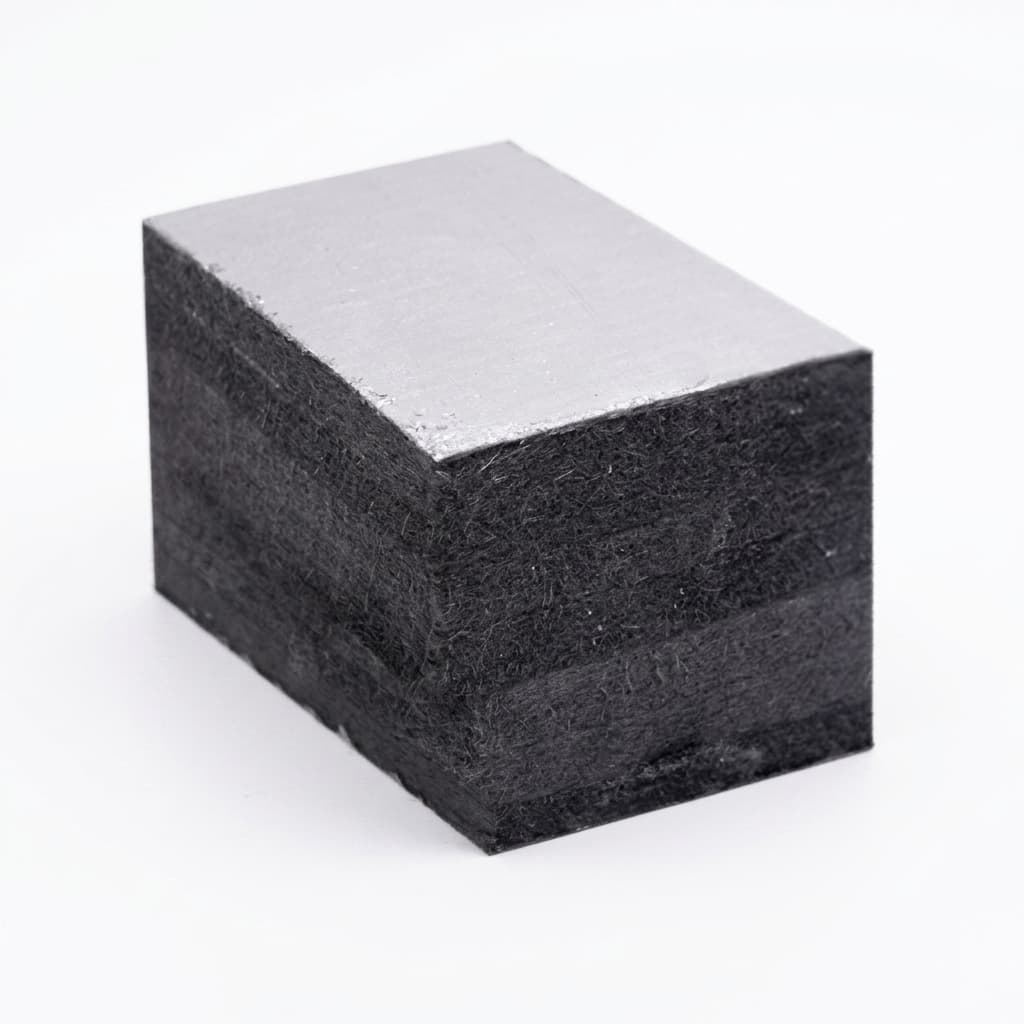
Rigid carbon felt insulation for high-temperature vacuum furnace 2
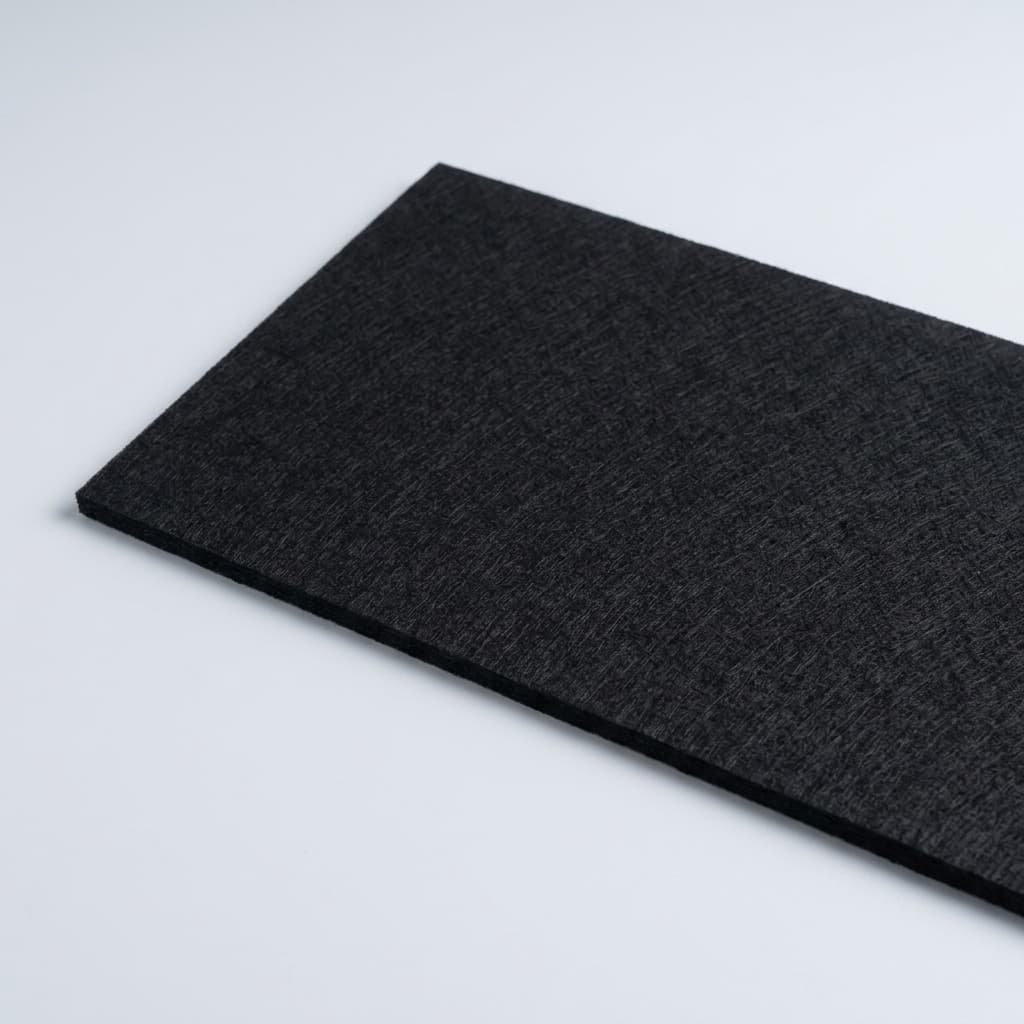
Rigid carbon felt insulation for high-temperature vacuum furnace 3
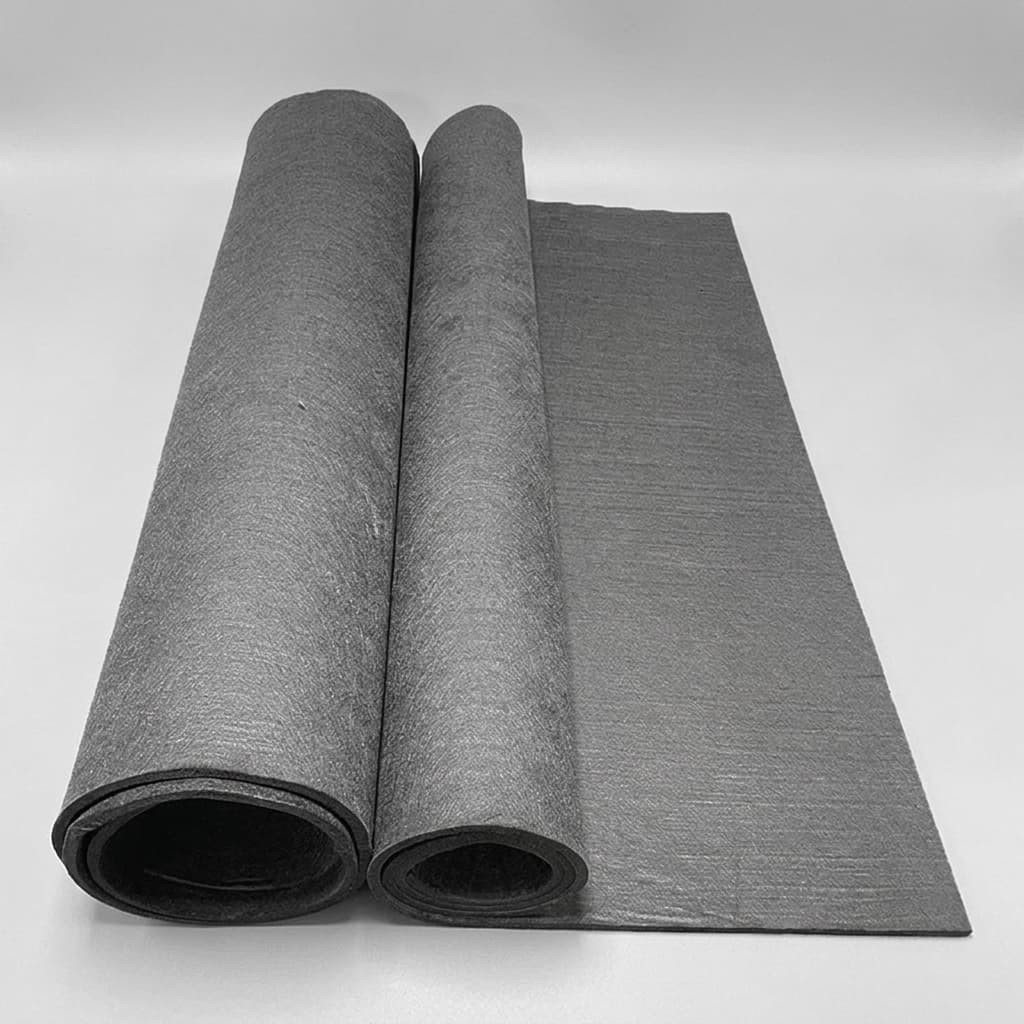
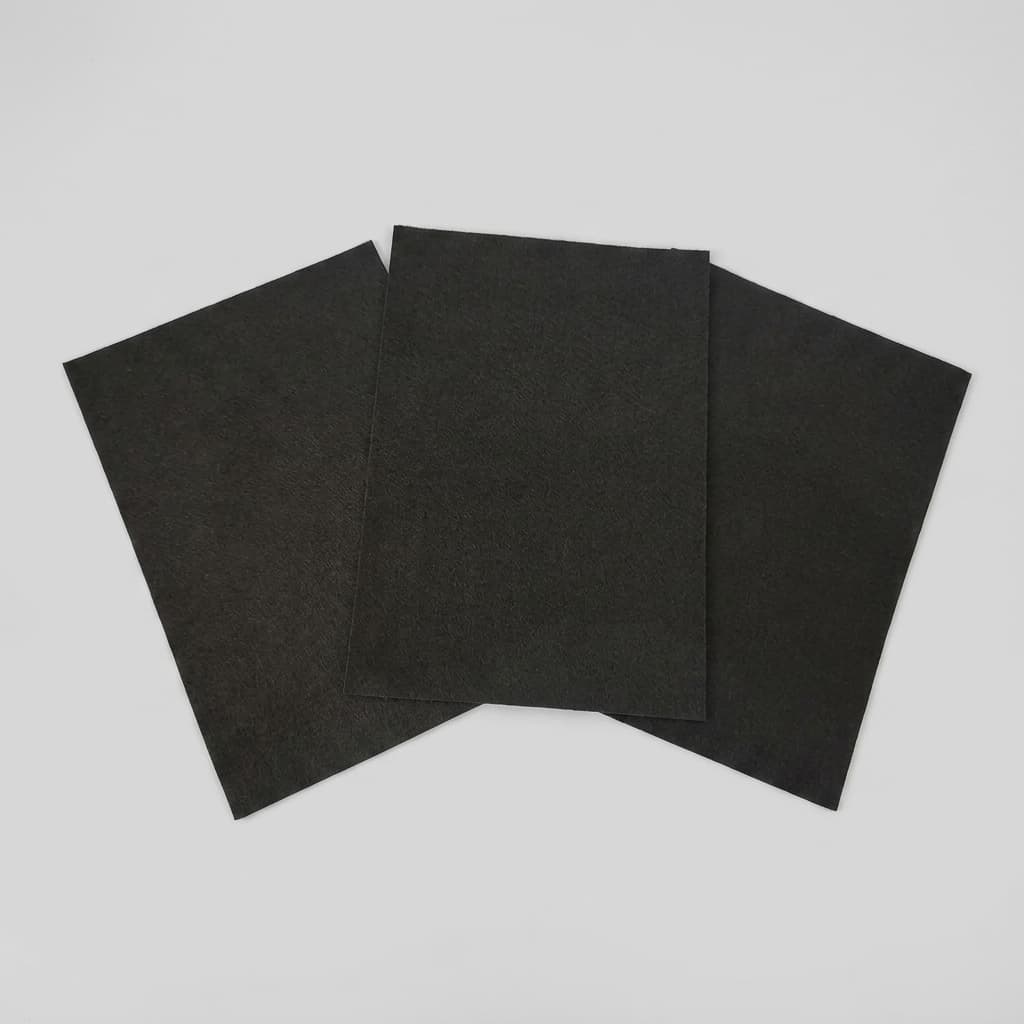
Rigid carbon felt insulation for high-temperature vacuum furnace 4
Rigid carbon felt insulation for high-temperature vacuum furnace 5
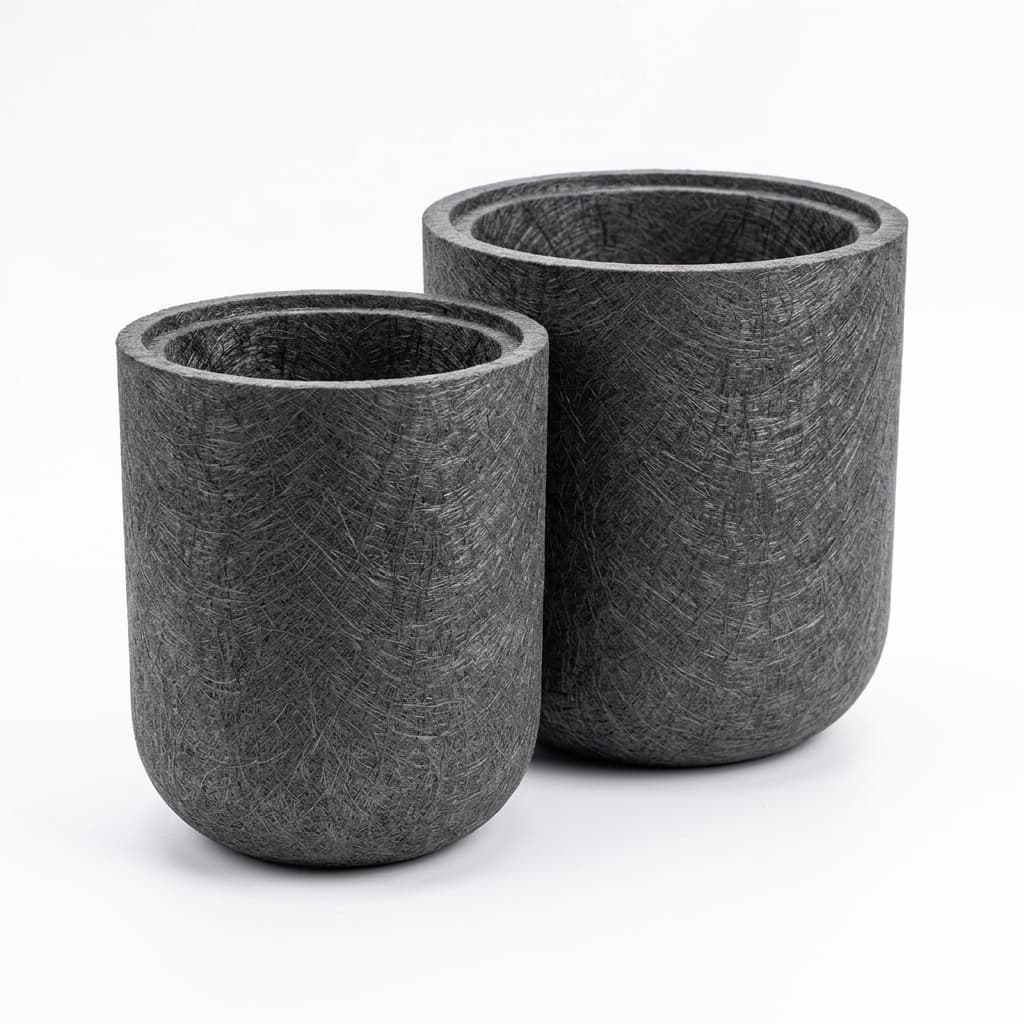
Machined rigid carbon felt insulation cylinder 1
Machined rigid carbon felt insulation cylinder 2
Machined rigid carbon felt insulation cylinder 3

Buyer FAQ

Can you provide pre-machined cylinders?

Yes, we supply custom-machined rigid cylinders, plates, and complex shapes.

How should rigid carbon felt thickness be selected?

Thickness should follow hot-zone diameter, target temperature, heat-loss target, and installation constraints rather than a generic insulation rule.

How can dusting risk be reduced?

Use foil-faced or coated surfaces where process cleanliness matters, and define exposed edges and maintenance handling before production.

Can rigid felt be supplied as segmented insulation?

Yes. Segmentation is often used for large furnaces, limited chamber access, and safer export packing.

Related Resources

  • Solutions: Thermal Field
  • OEM Compatibility Matrix
  • Quality & Metrology
  • Contact / RFQ
  • Solution: Vacuum Furnace Hot Zone
  • Product: Graphite Hot Zone
  • OEM: Inspection and Export Packaging

Procurement Next Steps

  • Compare the full product portfolio before locking material architecture.
  • Match the part to a process solution for thermal-field and contamination constraints.
  • Review OEM capability controls for machining, coating, purification, and export packaging.
  • Send a drawing-based RFQ with process, material grade, tolerances, quantity, and delivery target.

Inquiry Email

[email protected]

Email app

Include process, product type, drawing status, purity/coating target, dimensions, quantity forecast, operating conditions, and delivery date.

Instant Chat

+8618857971991

Chat on WhatsApp

Best for quick drawing checks, process fit questions, and RFQ clarification.