SiC GraphiteSiC Graphite
Start inquiry
SiC GraphiteSiC Graphite
WhatsApp
SiC GraphiteSiC Graphite

China-based industrial OEM supplier supporting customization, quality control, and global delivery.

Inquiry Email

[email protected]

Email app

Include process, product type, drawing status, purity/coating target, dimensions, quantity forecast, operating conditions, and delivery date.

Instant Chat

+8618857971991

Chat on WhatsApp

Best for quick drawing checks, process fit questions, and RFQ clarification.

Products
  • SiC Crystal Growth Crucible
  • High-Purity Graphite Heater
  • Graphite Hot Zone
  • Rigid Carbon Felt Insulation
  • CVD SiC Coated Susceptor
  • SiC Coated Wafer Carrier
  • SiC Coated Dummy Wafer
  • C/C Composite Fasteners
  • C/C Composite Trays
  • Vacuum Pump Graphite Vanes
  • Aluminum Degassing Graphite Rotor
Solutions
  • SiC PVT Crystal Growth
  • MOCVD & Epitaxy
  • Semiconductor Thermal Field
  • Vacuum Furnace Hot Zone
  • High-Temperature Carbon Composites
  • Industrial Graphite Replacement
OEM Capabilities
  • High-Purity Graphite Machining
  • CVD SiC Coating
  • C/C Composite Fabrication
  • Purity and Ash Control
  • Drawing-Based Custom Parts
  • Inspection and Export Packaging
Resources
  • Blog
  • About
  • Contact / RFQ
  • Privacy Policy
  • Terms of Service
  • Cookie Policy
© 2026 SiC Graphite. All Rights Reserved.|Supply chain combines Liaoyang Xingde graphite thermal-field manufacturing with Qingdao Chijiu CVD SiC coating and C/C composite capabilities.
← Back to Solutions

High-Temperature Carbon Composites

Utilizing Carbon/Carbon (C/C) composites to solve structural challenges in high-temperature environments where traditional graphite fails due to brittleness.
Target Buyer:Engineers pushing the limits of high-temperature fixturing.
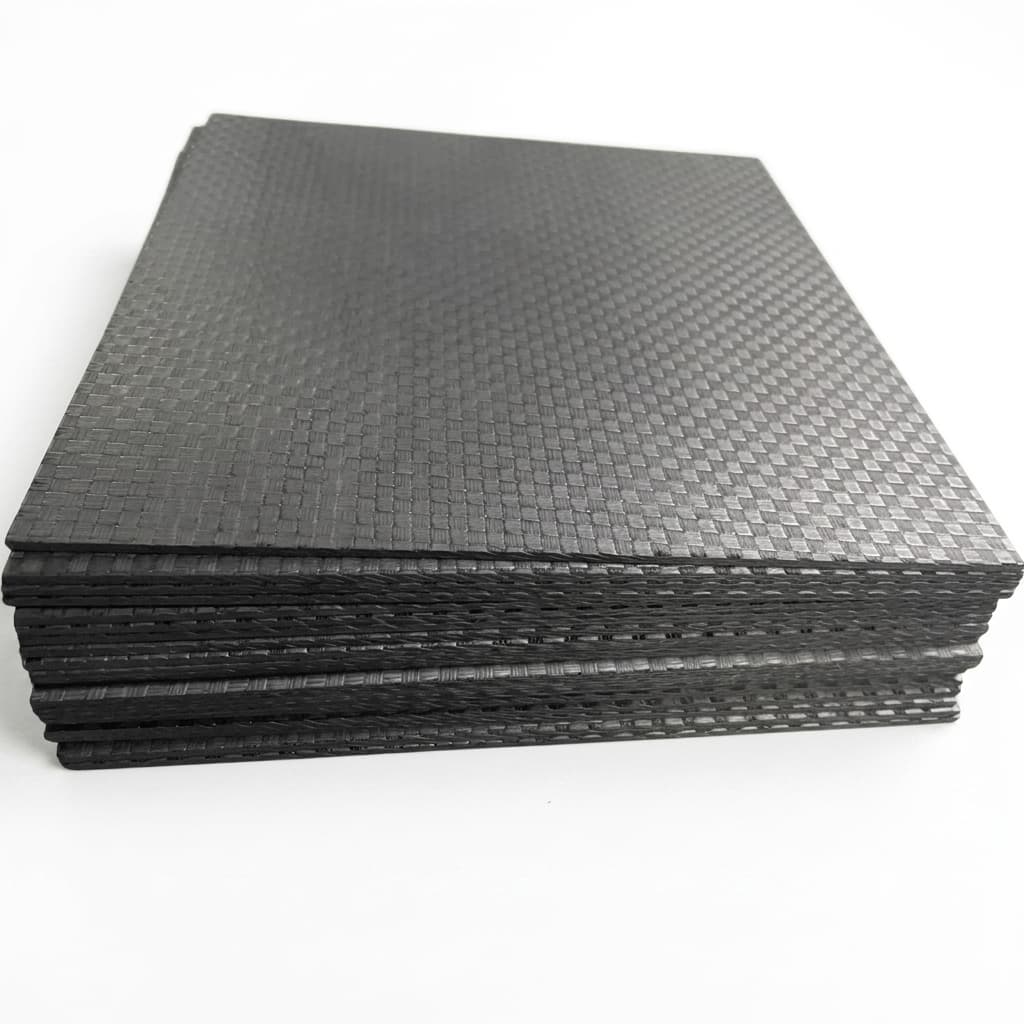
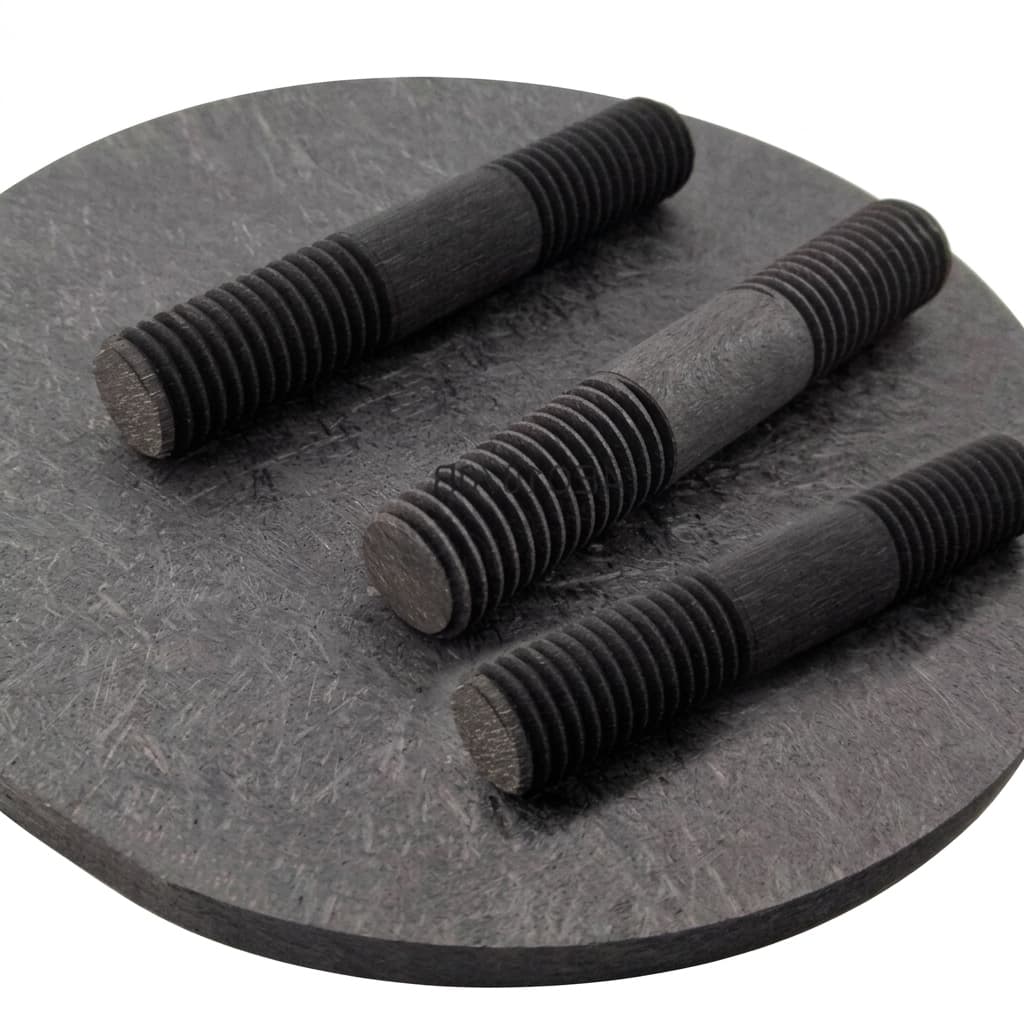
Carbon carbon composite tray for high-temperature load bearing 1

Solution Highlights

  • Exceptional strength-to-weight
  • Thermal shock immunity
  • Longer lifespan than graphite

Common Use Cases

  • Heavy Load Sintering
  • Aerospace Processing

Implementation Focus

  • Load calculations
  • Fiber orientation (2D vs 3D)

Application Evaluation Matrix

Evaluation MetricTypical RangeBuyer Relevance
Flexural Strength> 120 MPaCarries heavy loads without sagging.
Fiber Architecture2D or 3D C/C composite by load directionFiber orientation controls strength, thread retention, and long-term deformation.
Operating AtmosphereVacuum or inert gas; oxidation protection if requiredC/C composite strength is excellent at temperature, but oxygen exposure must be managed.
Load CaseStatic load, fixture spacing, and thermal-cycle countTray sag, bolt shear, and creep risk depend on the real support condition.

Application Selection Logic

Decision FactorSelection LogicBuyer Check
Load at temperatureChoose C/C composite when graphite is too brittle or molybdenum adds too much thermal mass.Provide load, support spacing, furnace temperature, and cycle count.
Fiber architecture2D C/C can fit plates and trays; 3D architecture is preferred for multi-directional stress and threads.Clarify bending direction, thread engagement, and any fastener preload.
Oxidation boundaryC/C composite is strongest in vacuum or inert environments; oxygen exposure needs protection.Share atmosphere, leak risk, cleaning practice, and cooldown handling.

Application Delivery and QC Flow

StageDelivery / QC CheckpointBuyer Evidence
1. Load-case reviewDefine temperature, support spacing, fastener preload, tray load, and cycle count.Application sketch, fixture drawing, load estimate, and atmosphere notes.
2. Fiber architectureChoose 2D or 3D C/C blank according to bending, shear, and thread loads.Material route with density and architecture recommendation.
3. Densification and machiningProcess C/C blank, then machine threads, holes, plates, and tray geometry.Dimensional report for load-bearing and assembly-critical features.
4. Strength-risk checkReview delamination, thread stripping, sag, and edge damage before shipping.Visual inspection plus agreed mechanical evidence if required.
5. Handling and packingPrevent abrasion and impact on lightweight C/C fixtures during export.Packing photos and handling notes for furnace maintenance teams.

RFQ Preparation Checklist

  1. Load requirements
  2. Operating temperature
  3. Dimensions

Risk and Mitigation

  • Oxidation: Available with oxidation-resistant coatings for specific atmospheres.

Recommended Products

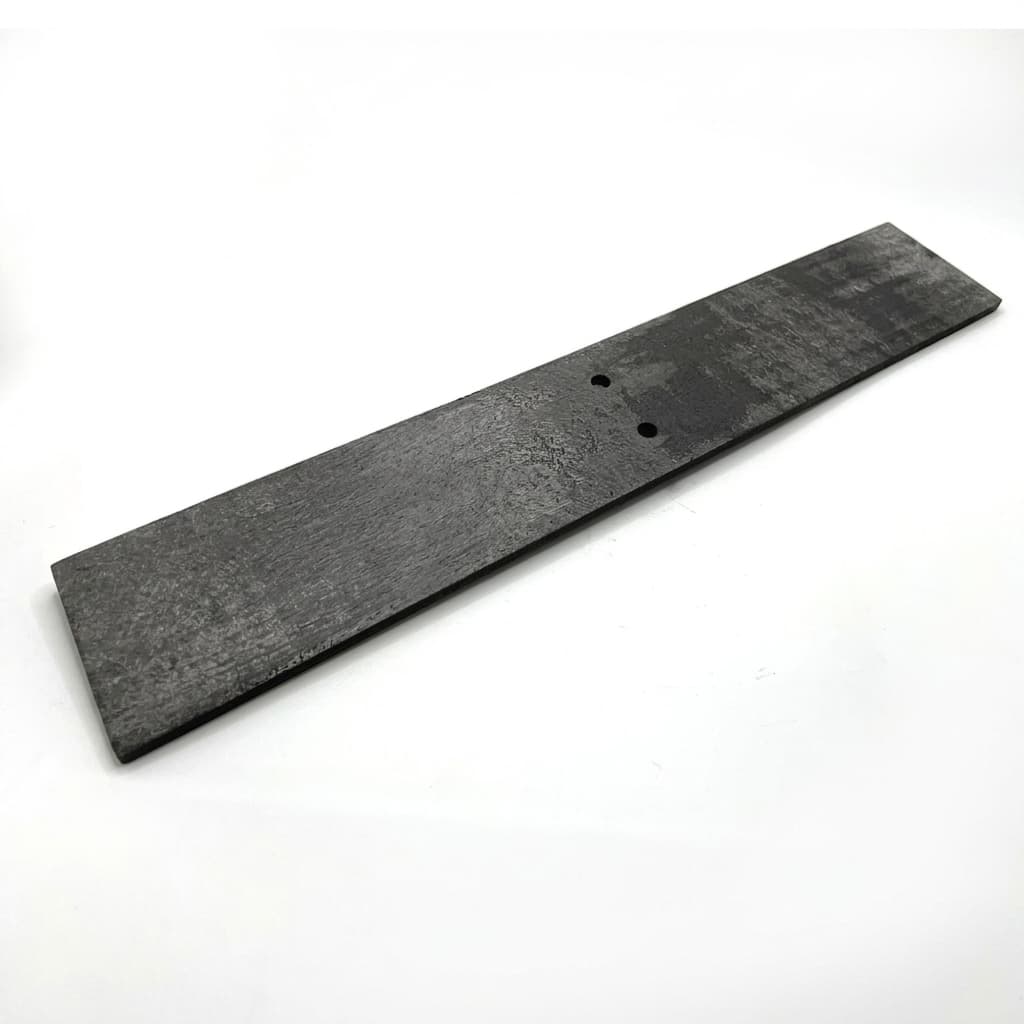
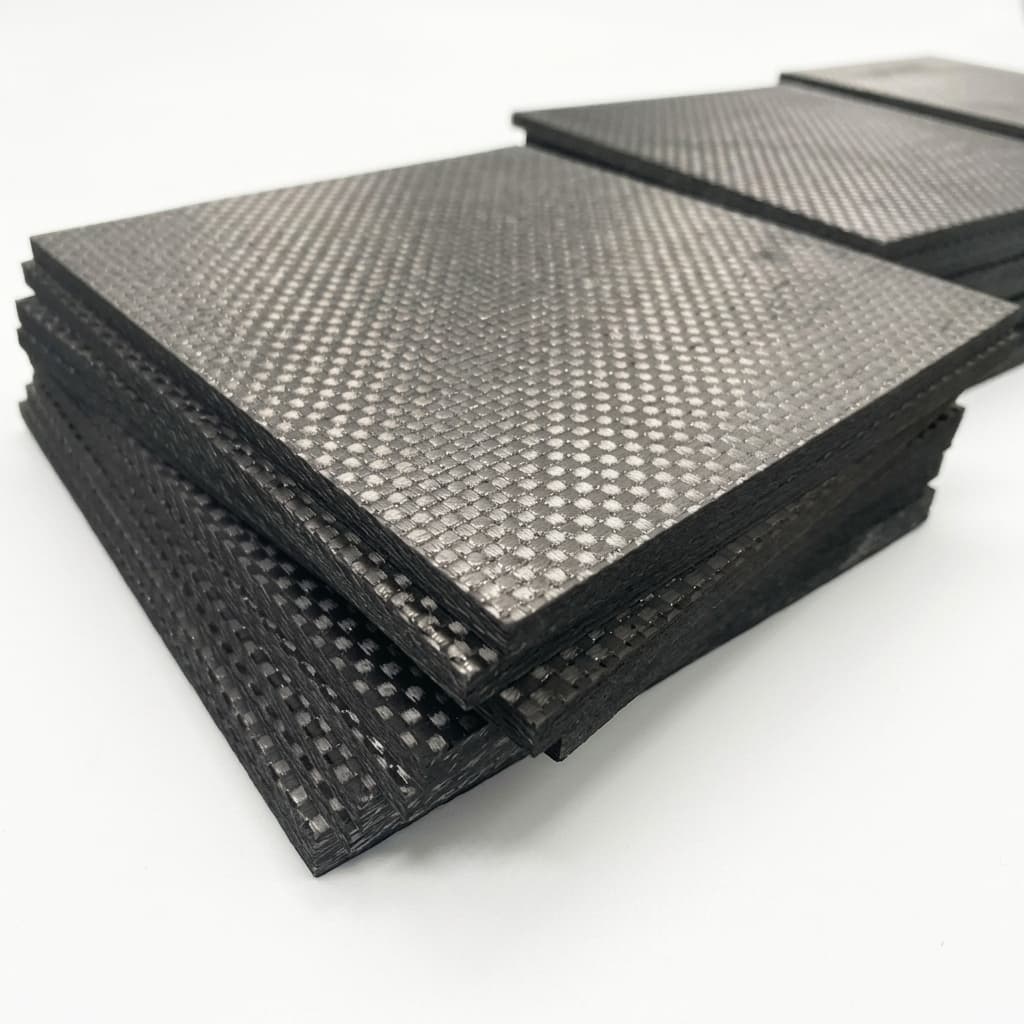
Carbon carbon composite tray for high-temperature load bearing 2
Carbon carbon composite tray for high-temperature load bearing 3
Carbon carbon composite tray for high-temperature load bearing 4
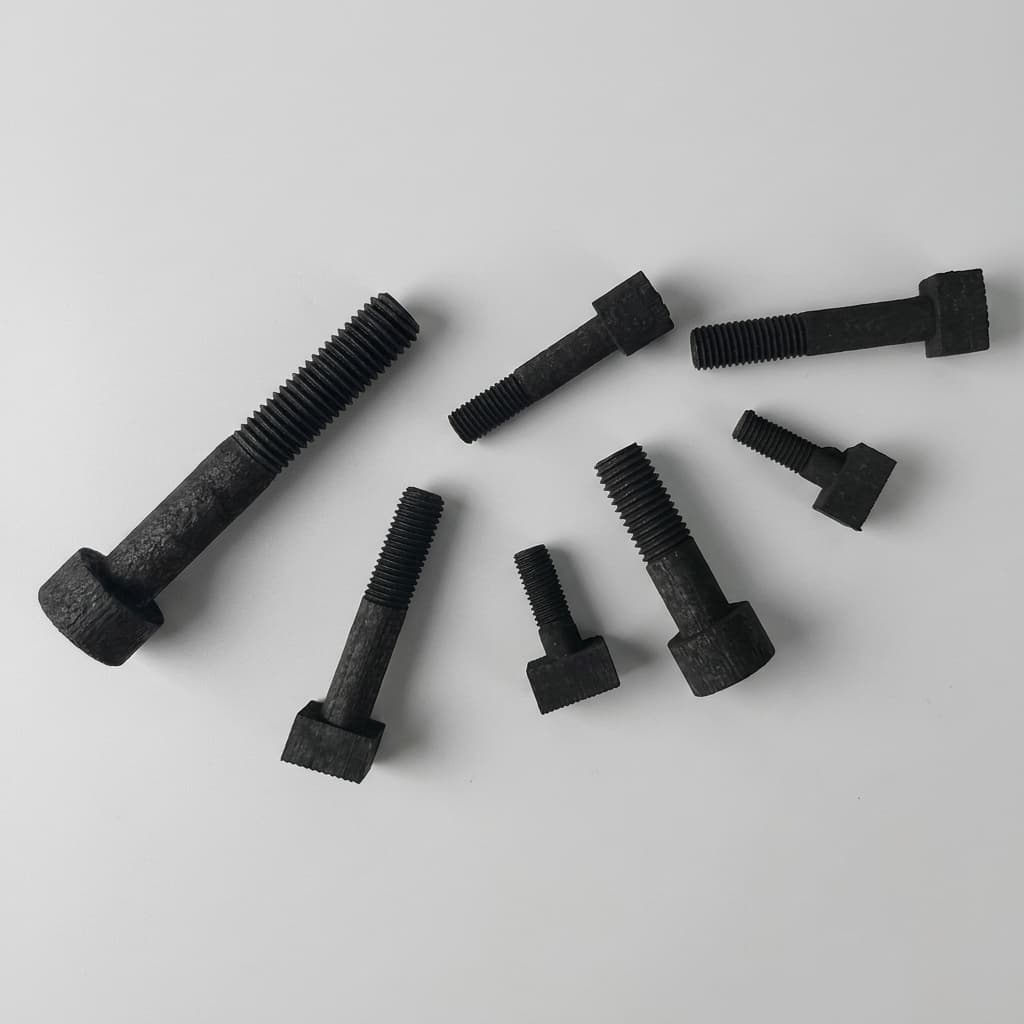
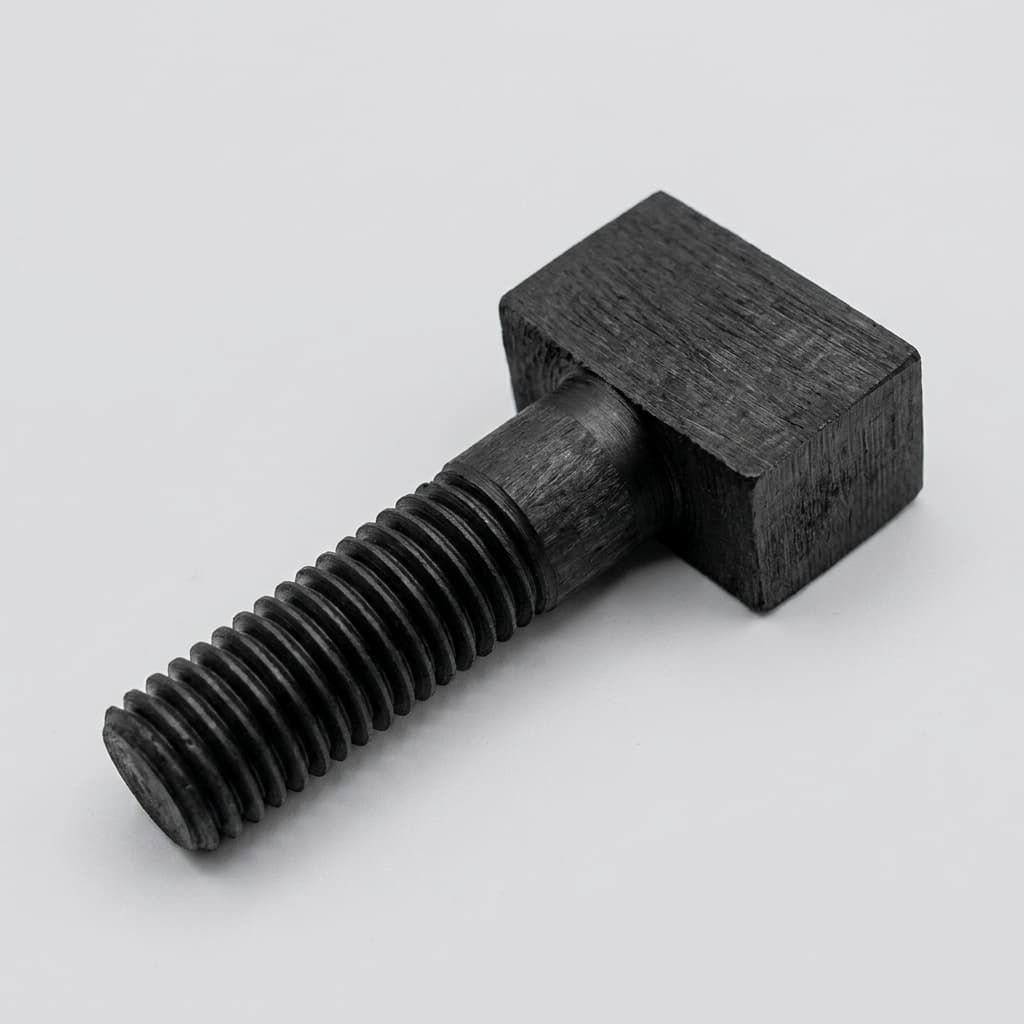
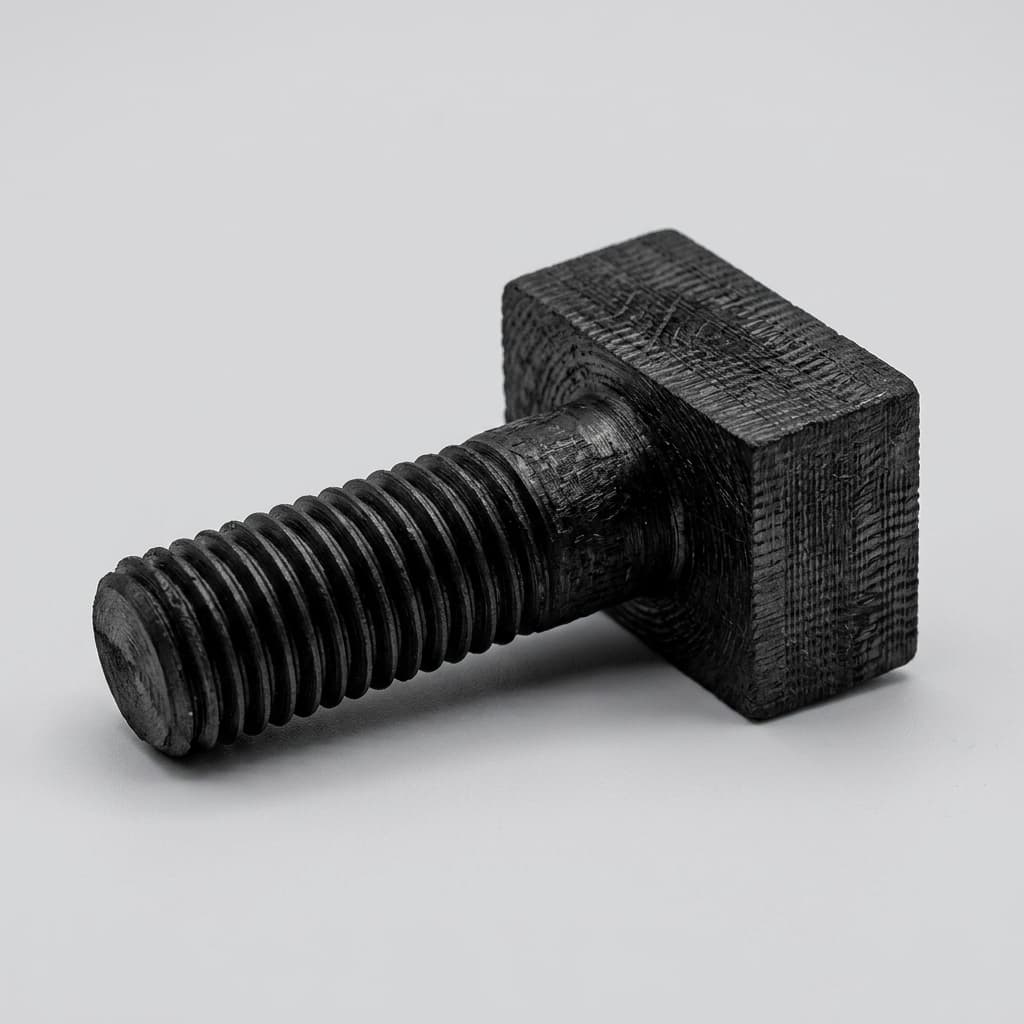
C/C composite fastener for high-temperature furnace fixture 1
C/C composite fastener for high-temperature furnace fixture 2
C/C composite fastener for high-temperature furnace fixture 3

Buyer FAQ

Is C/C more expensive than graphite?

Initial cost is usually higher, but total cost can improve when the application benefits from longer service life and reduced maintenance.

When is C/C composite a better choice than graphite?

Choose C/C composite when the part carries load, sees repeated thermal shock, needs threaded strength, or fails because graphite is too brittle.

What information is needed for C/C tray or fastener design?

Provide load, support spacing, maximum temperature, atmosphere, cycle count, thread standard, and the current failure mode if replacing another material.

Can C/C composite be used in oxidizing atmospheres?

C/C composite performs best in vacuum or inert gas. If oxygen exposure is expected, the application needs oxidation-risk review and possible protective treatment.

Related Resources

  • Products: C/C Trays
  • Contact / RFQ
  • OEM: C/C Composite Fabrication
  • Product: C/C Composite Fasteners
  • Guide: C/C Composite vs Molybdenum

From Application Review to RFQ

  • Select matching graphite, SiC coated, or C/C products for the validated process window.
  • Review purity and ash-control capability before specifying trace-metal acceptance criteria.
  • Prepare drawing-based custom part inputs including CAD files, tolerances, surface finish, and volume forecast.
  • Send an application RFQ with furnace model, temperature, atmosphere, replacement cycle, and destination country.

Inquiry Email

[email protected]

Email app

Include process, product type, drawing status, purity/coating target, dimensions, quantity forecast, operating conditions, and delivery date.

Instant Chat

+8618857971991

Chat on WhatsApp

Best for quick drawing checks, process fit questions, and RFQ clarification.